Escape the everyday and embark on a transformative journey with eco-spiritual retreats in nature. These unique experiences blend the serenity of the natural world with practices designed for inner peace and spiritual growth. Imagine waking to birdsong, meditating amidst ancient forests, and connecting with like-minded individuals seeking mindful rejuvenation. This exploration delves into the essence of these retreats, examining their core principles, target audiences, ideal locations, program design, and marketing strategies, ultimately providing a comprehensive guide to understanding and participating in this increasingly popular form of travel.
Eco-spiritual retreats offer a holistic approach to wellness, combining physical rejuvenation with spiritual exploration. Participants engage in activities that foster mindfulness, self-discovery, and a deeper connection with both their inner selves and the natural environment. The sustainable practices employed by these retreats minimize their environmental impact, allowing for a truly harmonious experience that respects the planet and its resources.
This balance between personal growth and environmental responsibility makes these retreats a compelling option for those seeking a meaningful and sustainable travel experience.
Defining Eco-Spiritual Retreats
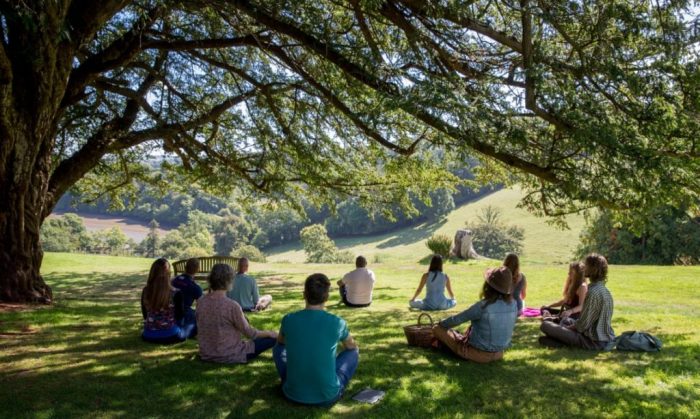
Eco-spiritual retreats offer a unique blend of environmental awareness and spiritual growth, fostering a deeper connection between individuals, nature, and the divine. They provide a space for introspection, rejuvenation, and a re-evaluation of one’s relationship with the planet and oneself. These retreats are not merely vacations; they are transformative experiences designed to promote personal and planetary well-being.Eco-spiritual retreats differ from purely spiritual or eco-retreats in their integrated approach.
While spiritual retreats focus primarily on inner transformation through practices like meditation or prayer, and eco-retreats concentrate on environmental education and conservation efforts, eco-spiritual retreats seamlessly weave these elements together. The core principle is the interconnectedness of all things – the spiritual and the ecological are seen as inseparable aspects of a holistic reality. This integrated approach leads to a more profound and lasting impact on participants.
Core Principles of Eco-Spiritual Retreats
Eco-spiritual retreats operate on several core principles. A central tenet is the inherent value and sacredness of nature. Activities are designed to foster a sense of reverence for the natural world and promote mindful interaction with it. Sustainability is paramount; retreats strive to minimize their environmental impact through conscious consumption and waste reduction. Furthermore, these retreats often incorporate practices promoting self-awareness, mindfulness, and spiritual growth, emphasizing the interconnectedness between inner peace and environmental stewardship.
Finally, community is often a key component, encouraging participants to connect with each other and share their experiences in a supportive environment.
Key Differences Between Eco-Retreats and Spiritual Retreats
The key difference lies in the integration of spiritual and environmental elements. A purely spiritual retreat might focus solely on meditation, yoga, or prayer, often taking place in a conventional setting. An eco-retreat, on the other hand, may prioritize outdoor activities, environmental education, and conservation work, with less emphasis on formal spiritual practices. Eco-spiritual retreats uniquely combine these aspects, fostering a holistic approach to personal and planetary well-being.
For example, a purely spiritual retreat might involve silent meditation in a monastery, while an eco-retreat could involve trail maintenance in a national park. An eco-spiritual retreat, however, might incorporate mindful hiking and meditation within a natural setting, linking spiritual practices directly to the natural environment.
Typical Activities and Experiences Offered
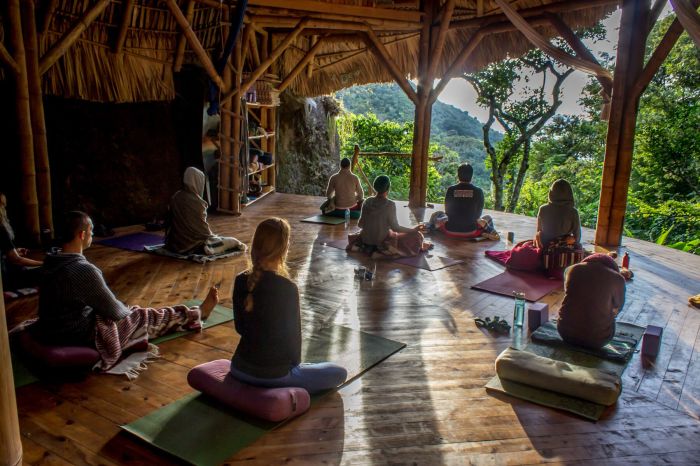
A wide range of activities are offered at eco-spiritual retreats, depending on the specific focus and location. These might include guided meditations in nature, yoga sessions overlooking stunning landscapes, workshops on sustainable living, nature walks focusing on mindful observation, eco-therapy sessions connecting participants with the healing power of nature, and ceremonies honoring the Earth. Some retreats may incorporate traditional indigenous practices or rituals that emphasize the spiritual connection to the land.
The overall goal is to provide a holistic experience that nourishes the mind, body, and spirit while promoting environmental consciousness.
Sustainable Practices Implemented in Eco-Spiritual Retreats
Eco-spiritual retreats prioritize sustainable practices to minimize their ecological footprint. This often involves utilizing renewable energy sources such as solar power, implementing water conservation measures like rainwater harvesting, sourcing food locally and organically, reducing waste through composting and recycling programs, and using eco-friendly cleaning products. Retreats may also partner with local conservation organizations to support environmental projects, educating participants about responsible tourism and environmental stewardship.
For example, a retreat might use locally sourced, organic food, compost food waste, and use solar panels for electricity. The emphasis is on living lightly on the land and minimizing the impact on the natural environment.
Target Audience and Market Analysis
Eco-spiritual retreats cater to a specific niche market, attracting individuals seeking a unique blend of personal growth, spiritual exploration, and environmental consciousness. Understanding this target audience is crucial for effective marketing and retreat design.The primary demographic for eco-spiritual retreats comprises environmentally conscious individuals aged 35-65, with a higher-than-average disposable income. This group often includes professionals, entrepreneurs, and retirees seeking respite from demanding lifestyles.
A significant portion also identifies as spiritually inclined, possibly practicing yoga, meditation, or other mindfulness techniques. While this core demographic is prevalent, a growing secondary market includes younger individuals (25-34) who are increasingly prioritizing sustainability and personal well-being, demonstrating a potential for future growth.
Ideal Attendee Motivations and Needs
Potential attendees are driven by a variety of motivations. Many seek a break from the stresses of modern life, desiring a peaceful and restorative environment. Others are actively seeking spiritual growth and self-discovery, looking for opportunities for introspection and connection with nature. A common thread is the desire for a transformative experience, leading to increased self-awareness and a renewed sense of purpose.
The need for authentic connection, both with oneself and with others, is also a significant factor, often driving the choice of a retreat setting over other self-improvement methods. Attendees are typically looking for experiences that integrate mindful practices with environmental stewardship.
Comparison to Other Retreat Types
Eco-spiritual retreats differentiate themselves from other retreat types by emphasizing the interconnectedness of personal well-being and environmental sustainability. Unlike corporate retreats focusing on team building or wellness retreats solely focused on physical health, eco-spiritual retreats integrate spiritual practices with immersion in nature. They stand apart from purely spiritual retreats by incorporating environmental awareness and action into the program, promoting a holistic approach to self-development and planetary care.
This unique blend of elements creates a distinct appeal for those seeking a deeper, more meaningful experience. For instance, a yoga retreat might focus solely on physical postures, while an eco-spiritual retreat would likely integrate yoga with mindful nature walks, discussions on environmental ethics, and opportunities for community service related to environmental protection.
Potential Market Size and Growth
The market for eco-spiritual retreats is experiencing significant growth, fueled by increasing awareness of environmental issues and a rising demand for holistic wellness experiences. While precise market size data is difficult to obtain due to the niche nature of the industry, anecdotal evidence and the increasing popularity of related wellness trends suggest substantial potential. The growing interest in sustainable tourism and experiential travel, coupled with the rising popularity of mindfulness and spiritual practices, points towards a continued expansion of this market.
The success of established eco-retreats and the emergence of new ventures in this space further validates this trend. For example, the increasing number of articles and blogs focusing on sustainable travel and eco-conscious retreats, along with the rise in social media engagement around similar topics, points to a growing awareness and interest in this type of experience. This suggests a significant untapped potential for growth, particularly as younger generations become increasingly engaged with environmental and social responsibility.
Location and Setting
The ideal location for an eco-spiritual retreat is paramount to its success. It must foster a sense of connection with nature, provide opportunities for reflection and rejuvenation, and offer a safe and comfortable environment for participants. The careful consideration of both the natural setting and the logistical aspects of accessibility and infrastructure is crucial in creating a truly transformative experience.The natural environment plays a vital role in shaping the overall experience of an eco-spiritual retreat.
The chosen location should offer a sense of tranquility and immersion in nature, allowing participants to disconnect from the stresses of daily life and reconnect with their inner selves. This might involve stunning natural landscapes such as mountains, forests, coastlines, or deserts, each offering unique opportunities for contemplation and spiritual growth.
Ideal Natural Settings for Eco-Spiritual Retreats
Several natural settings are particularly well-suited for eco-spiritual retreats. These locations should inspire awe and wonder, offering opportunities for activities such as hiking, meditation in nature, and mindful engagement with the environment. The specific environment should align with the retreat’s theme and the preferences of the target audience. For instance, a retreat focused on mindfulness might benefit from a quiet forest setting, while a retreat emphasizing physical activity might choose a location with ample hiking trails and scenic views.
A desert setting, with its vastness and stark beauty, could be ideal for a retreat focused on introspection and connection with the elements.
Importance of Location Accessibility and Infrastructure
While the natural beauty of a location is crucial, accessibility and infrastructure are equally important considerations. Participants need to be able to reach the retreat location conveniently and comfortably. Adequate transportation links, whether by road, rail, or air, are essential. Furthermore, the retreat center itself should have appropriate infrastructure, including comfortable accommodation, clean sanitation facilities, reliable power and water supply, and access to communication networks for emergencies.
The availability of reliable internet access, while not always essential, can be beneficial for certain retreat activities or for participants who need to maintain some level of contact with the outside world.
Comparison of Remote vs. More Accessible Locations
Remote locations offer a deeper immersion in nature, minimizing distractions and maximizing opportunities for introspection. However, this remoteness can also present challenges in terms of accessibility and infrastructure, potentially limiting the range of activities available and potentially increasing costs. More accessible locations, on the other hand, offer greater convenience for participants but may sacrifice some of the sense of seclusion and immersion in nature.
The ideal balance depends on the specific goals and target audience of the retreat. A retreat focused on complete digital detox might benefit from a remote location, while a retreat designed to be more inclusive might prioritize accessibility.
Sample Location Profile for an Eco-Spiritual Retreat
Let’s consider a hypothetical retreat, “Mountain Meadow Mindfulness,” targeting individuals seeking a restorative experience amidst nature.
| Feature | Description |
|---|---|
| Location | A secluded mountain valley in the Colorado Rockies, accessible by a well-maintained gravel road. |
| Natural Setting | Lush meadows, towering pines, a clear mountain stream, and panoramic views of the surrounding peaks. Abundant wildlife viewing opportunities. |
| Accessibility | A 2-hour drive from a regional airport, with shuttle service available. |
| Infrastructure | Eco-friendly cabins with private bathrooms, a communal dining hall, yoga and meditation spaces, and a small library. Reliable Wi-Fi access is available in communal areas, but limited in cabins to encourage digital detox. |
| Activities | Guided hikes, yoga and meditation sessions, nature journaling workshops, and opportunities for individual reflection. |
Retreat Program Design
A well-structured program is crucial for a successful eco-spiritual retreat. It needs to seamlessly integrate mindful practices, nature immersion, and opportunities for spiritual growth, creating a transformative experience for participants. The following Artikels a sample itinerary, spiritual practices, interactive workshops, and a daily schedule designed to achieve this balance.
Sample Week-Long Retreat Itinerary
This itinerary provides a flexible framework, adaptable to specific retreat themes and participant needs. Daily activities are designed to build upon each other, fostering a sense of progression and deeper self-discovery.
| Day | Morning | Afternoon | Evening |
|---|---|---|---|
| 1 | Arrival & Orientation; Opening Circle; Nature Walk | Mindfulness Workshop: Introduction to Meditation | Sharing Circle; Guided Meditation |
| 2 | Sunrise Yoga & Meditation; Nature Journaling | Eco-psychology Workshop: Connecting with Nature | Sound Healing Session |
| 3 | Mindful Movement; Forest Bathing | Creative Expression Workshop: Art & Nature | Campfire & Storytelling |
| 4 | Silent Meditation Retreat; Personal Reflection Time | Sustainable Living Workshop: Eco-Conscious Practices | Group Discussion: Spiritual Insights |
| 5 | Yoga & Breathwork; Nature Photography | Workshop: Connecting with Intuition | Stargazing & Contemplation |
| 6 | Mindful Hiking; Nature Connection Activities | Workshop: Letting Go of Limiting Beliefs | Closing Ceremony; Gratitude Sharing |
| 7 | Departure |
Appropriate Spiritual Practices
The retreat will incorporate a variety of spiritual practices suitable for diverse backgrounds and levels of experience. The emphasis will be on creating a safe and inclusive space for personal exploration.
- Mindfulness Meditation: Guided meditations will focus on cultivating present moment awareness, reducing stress, and fostering inner peace. Examples include body scans, breath awareness, and loving-kindness meditations.
- Yoga & Movement: Gentle yoga and mindful movement practices will connect participants with their bodies and enhance flexibility and energy flow. Specific styles might include Hatha or restorative yoga.
- Nature Connection Practices: Activities like forest bathing (Shinrin-yoku), nature journaling, and mindful walks will deepen participants’ connection with the natural world and promote a sense of awe and wonder.
- Creative Expression: Art therapy, journaling, and other creative activities will provide outlets for self-expression and emotional processing. This could include painting, drawing, writing poetry, or music.
- Spiritual Inquiry & Reflection: Guided discussions, personal reflection time, and journaling prompts will encourage participants to explore their own spiritual beliefs and values.
Interactive Workshops and Group Activities
Workshops will be designed to be interactive and engaging, fostering a sense of community and shared learning. Emphasis will be on experiential learning and personal growth.
- Eco-psychology Workshop: This workshop will explore the connection between human psychology and the natural world, examining the therapeutic benefits of nature and promoting environmental stewardship.
- Sustainable Living Workshop: Participants will learn practical skills and strategies for living more sustainably, reducing their environmental impact, and creating a more eco-conscious lifestyle.
- Creative Expression Workshop: This workshop will utilize art as a tool for self-discovery and spiritual exploration, encouraging participants to express their inner selves through various creative mediums.
- Connecting with Intuition Workshop: This workshop will guide participants in developing their intuition and inner wisdom, helping them to trust their inner voice and make decisions aligned with their values.
- Letting Go of Limiting Beliefs Workshop: This workshop will provide tools and techniques for identifying and releasing limiting beliefs that hinder personal growth and spiritual development.
Daily Schedule Incorporating Mindfulness, Nature Connection, and Spiritual Growth
A typical daily schedule will balance structured activities with free time for personal reflection and relaxation. The aim is to create a rhythm that supports both inner work and connection with the natural environment.
A sample daily schedule might include early morning meditation, followed by a nature walk, a workshop session, free time for journaling or personal reflection, an afternoon nature activity, an evening sharing circle, and a guided meditation before sleep.
Marketing and Promotion
A successful eco-spiritual retreat requires a well-defined marketing strategy to reach the target audience effectively. This involves identifying the most suitable channels, crafting compelling messaging, and leveraging digital platforms to maximize reach and engagement. The goal is to present the retreat as a transformative experience, appealing to the values and aspirations of potential attendees.Effective marketing hinges on understanding the target audience’s needs and preferences.
By carefully crafting messaging that resonates with their values, we can create a strong connection and encourage bookings. This includes highlighting the unique benefits of the retreat, such as the restorative power of nature, opportunities for self-discovery, and the chance to connect with like-minded individuals.
Marketing Channels for Eco-Tourism
Reaching the right audience for an eco-spiritual retreat requires a multi-channel approach. Various channels offer distinct advantages in reaching different segments of the target market. A strategic combination is key to achieving maximum impact.
- Social Media Marketing: Platforms like Instagram, Facebook, and Pinterest are ideal for showcasing visually appealing content, such as photos and videos of the retreat location, activities, and testimonials from past participants. Targeted advertising campaigns can further refine reach. For example, a campaign targeting individuals interested in yoga and mindfulness retreats on Facebook could yield highly qualified leads.
- Search Engine Optimization (): Optimizing the retreat’s website for relevant s (e.g., “eco-spiritual retreat,” “mindfulness retreat California,” etc.) ensures high visibility in search engine results. This organic approach generates consistent, cost-effective traffic.
- Email Marketing: Building an email list allows for direct communication with potential attendees. Newsletters featuring updates, special offers, and testimonials nurture leads and build anticipation.
- Partnerships and Collaborations: Collaborating with yoga studios, wellness centers, and travel agencies that cater to a similar audience expands reach and credibility. Cross-promotion can significantly increase awareness.
- Public Relations: Securing media coverage in relevant publications (e.g., travel blogs, wellness magazines) enhances credibility and generates interest among a wider audience. Press releases announcing the retreat and highlighting unique aspects can be effective.
Compelling Marketing Materials
The marketing materials must accurately reflect the retreat’s essence and appeal to the target audience’s values. High-quality visuals and compelling narratives are crucial for creating an emotional connection.
- Website: A professionally designed website with high-quality photography and videography is essential. It should clearly communicate the retreat’s purpose, program, location, and pricing. Testimonials from past participants add social proof.
- Brochures and Flyers: Printed materials provide a tangible representation of the retreat. Visually appealing designs, concise descriptions, and clear call-to-actions are essential. These can be distributed at relevant events or sent to potential partners.
- Social Media Content: Engaging social media posts featuring stunning visuals, inspiring quotes, and behind-the-scenes glimpses into the retreat create anticipation and build a community. Stories and reels are particularly effective for showcasing the experience.
Social Media Promotion
Social media is a powerful tool for promoting eco-spiritual retreats. A consistent posting schedule, engaging content, and targeted advertising are key to success.
- Content Strategy: Develop a content calendar outlining the types of posts (images, videos, stories, live sessions), topics, and posting schedule. A mix of informative and inspirational content keeps the audience engaged. Examples include showcasing the natural beauty of the location, highlighting specific retreat activities, sharing testimonials, and running Q&A sessions.
- Targeted Advertising: Utilize social media advertising platforms to reach specific demographics interested in eco-tourism, wellness, and spiritual growth. Targeted ads can significantly increase reach and engagement compared to organic posts alone.
- Community Building: Engage with followers, respond to comments, and foster a sense of community by encouraging interaction. Running contests or giveaways can boost engagement and brand awareness. For example, a contest offering a free retreat stay in exchange for a review could generate valuable user-generated content.
Comparing Eco-Spiritual Retreats with Other Travel Styles
Eco-spiritual retreats offer a unique blend of environmental consciousness, spiritual exploration, and mindful travel. Understanding how they differ from other travel styles helps potential participants choose the experience best suited to their needs and preferences. This comparison highlights key distinctions across various aspects, including cost, environmental impact, and the degree of spiritual focus.
Eco-Spiritual Retreats Compared to Spiritual Journeys
Eco-spiritual retreats differ from general spiritual journeys primarily in their emphasis on the natural environment as an integral part of the spiritual experience. While a spiritual journey might involve pilgrimage to a sacred site or intensive meditation retreats in urban settings, eco-spiritual retreats deliberately integrate nature into the spiritual practices, often incorporating activities like hiking, nature meditation, and eco-conscious living.
The environment isn’t merely a backdrop; it’s an active participant in the spiritual process.
Eco-Spiritual Retreats Compared to Remote Destinations
Both eco-spiritual retreats and trips to remote destinations emphasize escaping the hustle of daily life and immersing oneself in nature. However, remote destinations are often focused on adventure or exploration, whereas eco-spiritual retreats prioritize introspection, mindfulness, and spiritual growth through structured programs and guided activities. A remote destination trip might involve trekking or wildlife viewing, while an eco-spiritual retreat would likely incorporate yoga, meditation, and workshops focused on self-discovery and connection with nature.
Eco-Spiritual Retreats Compared to Theme Park Vacations
The contrast between eco-spiritual retreats and theme park vacations is stark. Theme parks prioritize entertainment and manufactured experiences, often with high environmental impact due to energy consumption and waste generation. Eco-spiritual retreats, conversely, aim for simplicity, sustainability, and a connection with the natural world, fostering introspection and personal growth rather than external stimulation. The focus is on inner peace, not manufactured excitement.
Eco-Spiritual Retreats Compared to Private Jet Travel
Eco-spiritual retreats and private jet travel represent diametrically opposed approaches to travel. Private jet travel epitomizes luxury and convenience but carries a significant environmental footprint due to high fuel consumption and emissions. Eco-spiritual retreats, by contrast, actively promote sustainability and minimizing environmental impact, often employing eco-friendly practices and encouraging conscious consumption. The values are fundamentally incompatible.
Eco-Spiritual Retreats Compared to Luxury Train Journeys
Luxury train journeys can offer a comfortable and scenic travel experience, but the environmental impact, while potentially less than private jet travel, is still substantial. Eco-spiritual retreats prioritize minimizing their ecological footprint, emphasizing sustainable practices and often choosing locations accessible by more environmentally friendly modes of transport. The focus is on reducing environmental impact rather than maximizing comfort and luxury.
Eco-Spiritual Retreats Compared to Agricultural Tourism
Both eco-spiritual retreats and agricultural tourism involve immersion in natural settings. However, agricultural tourism focuses on experiencing rural life, farming practices, and local food production. While some overlap exists (e.g., a retreat incorporating farm-to-table meals), eco-spiritual retreats place a stronger emphasis on spiritual practices and personal growth, with the agricultural context serving as a supporting element rather than the central theme.
Eco-Spiritual Retreats Compared to Cycling Tours
Cycling tours offer a physically active and environmentally friendly way to explore a region. Eco-spiritual retreats also prioritize environmental consciousness, but their focus is on inner reflection and spiritual development, using the natural environment as a catalyst for this process. Cycling tours emphasize physical activity and exploration, while retreats emphasize mindfulness and spiritual practices.
Eco-Spiritual Retreats Compared to Wine and Vineyard Tours
Wine and vineyard tours focus on the cultural and sensory experience of wine production and consumption. While some vineyards may incorporate sustainable practices, eco-spiritual retreats emphasize a broader commitment to environmental stewardship and spiritual growth, with the natural environment playing a more central role in the overall experience. The primary focus shifts from sensory indulgence to spiritual exploration.
Eco-Spiritual Retreats Compared to Heritage Tourism
Heritage tourism centers on exploring historical sites and cultural heritage. Eco-spiritual retreats also engage with the environment, but their focus is on spiritual and personal transformation within a natural setting. While a retreat might be located near a historical site, the primary emphasis remains on spiritual practices and connection with nature, not historical exploration.
Eco-Spiritual Retreats Compared to City Breaks
City breaks prioritize urban exploration, cultural experiences, and often involve high levels of energy consumption and waste generation. Eco-spiritual retreats, in contrast, seek to minimize environmental impact and offer a sanctuary away from urban environments, promoting relaxation, mindfulness, and spiritual growth in a natural setting. The experiences are almost completely opposite in nature.
| Travel Style | Cost | Sustainability | Spiritual Focus |
|---|---|---|---|
| Eco-Spiritual Retreat | Moderate to High | High | High |
| Spiritual Journey | Low to High | Variable | High |
| Remote Destination | Moderate to High | Variable | Low to Moderate |
| Theme Park Vacation | Moderate to High | Low | Low |
| Private Jet Travel | Very High | Very Low | Low |
| Luxury Train Journey | High | Moderate | Low |
| Agricultural Tourism | Low to Moderate | Moderate | Low |
| Cycling Tours | Low to Moderate | High | Low |
| Wine & Vineyard Tours | Moderate to High | Variable | Low |
| Heritage Tourism | Low to High | Variable | Low |
| City Break | Low to High | Low | Low |
Illustrative Examples of Eco-Spiritual Retreats
Eco-spiritual retreats offer a unique blend of environmental awareness and spiritual exploration. These retreats provide opportunities for personal growth, connection with nature, and a deeper understanding of our place in the world. The following examples showcase the diverse offerings available within this growing niche.
The Coastal Contemplation Retreat, Oregon Coast
Imagine waking to the rhythmic crash of waves against the shore, the salty air invigorating your lungs, and the scent of pine and ocean mingling in the breeze. This retreat, nestled amongst the towering Sitka spruces of the Oregon Coast, focuses on mindfulness practices interwoven with coastal ecology. Days are spent exploring tide pools teeming with life, hiking along windswept cliffs with panoramic ocean views, and participating in guided meditation sessions overlooking the vast Pacific.
Evenings feature campfire gatherings with storytelling and stargazing under exceptionally clear skies. The retreat center itself is built with sustainable materials, reflecting a commitment to minimal environmental impact. The texture of driftwood underfoot, the taste of locally sourced, organic meals, and the feel of the cool, damp earth against your skin all contribute to a deeply immersive and grounding experience.
The sounds of the ocean, the cries of seabirds, and the rustling of leaves create a symphony of nature’s tranquility.
Mountain Mindfulness Retreat, Colorado Rockies
This retreat, situated high in the Colorado Rockies, provides an entirely different sensory experience. The crisp mountain air fills your lungs, carrying the scent of pine needles and wildflowers. Days are filled with invigorating hikes through alpine meadows ablaze with wildflowers, yoga sessions overlooking breathtaking mountain vistas, and workshops on sustainable living. Evenings offer opportunities for quiet contemplation under a star-studded sky, the only sounds the gentle whisper of the wind and the distant call of a coyote.
The retreat center, a rustic yet comfortable lodge built from reclaimed wood, blends seamlessly with the natural surroundings. The rough texture of the mountain stone, the warmth of the wood-burning stove, and the taste of hearty, vegetarian meals fuel the body and soul. The vibrant colors of the wildflowers, the towering peaks of the mountains, and the clear, blue sky create a breathtaking backdrop for spiritual exploration.
The silence, broken only by the natural sounds of the mountains, allows for deep introspection and connection with the inner self.
Desert Dharma Retreat, Arizona
The stark beauty of the Arizona desert provides a unique setting for this retreat, which emphasizes the interconnectedness of all living things. The air is dry and warm, carrying the scent of creosote bush and sun-baked earth. Days are spent exploring the unique flora and fauna of the desert, practicing mindful walking meditations amidst the cacti and succulents, and engaging in discussions on environmental ethics.
Evenings are spent under the vast, star-filled desert sky, the silence punctuated only by the occasional howl of a coyote or the chirping of crickets. The retreat center, a simple adobe structure, is built in harmony with the desert landscape. The rough texture of the adobe walls, the warmth of the sun on your skin, and the taste of simple, flavorful meals reflect the minimalist ethos of the retreat.
The vastness of the desert landscape, the intense colors of the sunset, and the silence of the night foster a sense of awe and wonder, encouraging a deep connection with the natural world and the divine.
Closing Summary
In conclusion, eco-spiritual retreats offer a powerful pathway towards personal transformation and environmental stewardship. By carefully considering location, program design, and marketing strategies, providers can create exceptional experiences that resonate with a growing audience seeking mindful rejuvenation and a deeper connection with nature. The integration of spiritual practices within a sustainable framework offers a unique and enriching travel experience, promising both inner peace and a commitment to preserving the natural world for future generations.
The detailed exploration provided here aims to equip both providers and potential participants with a clearer understanding of this enriching travel style.
FAQ Explained
What is the typical cost of an eco-spiritual retreat?
Costs vary greatly depending on location, duration, and amenities, ranging from a few hundred to several thousand dollars.
Are eco-spiritual retreats suitable for beginners?
Absolutely! Many retreats cater to all levels of experience, offering adaptable programs to suit individual needs and preferences.
What should I pack for an eco-spiritual retreat?
Comfortable clothing suitable for outdoor activities, sturdy footwear, a journal, and any personal spiritual items are recommended.
What if I have dietary restrictions or allergies?
Most retreats accommodate dietary needs; inform them in advance to ensure your comfort and well-being.
How do I choose the right eco-spiritual retreat for me?
Consider your budget, desired location, preferred spiritual practices, and the retreat’s overall philosophy and program offerings.