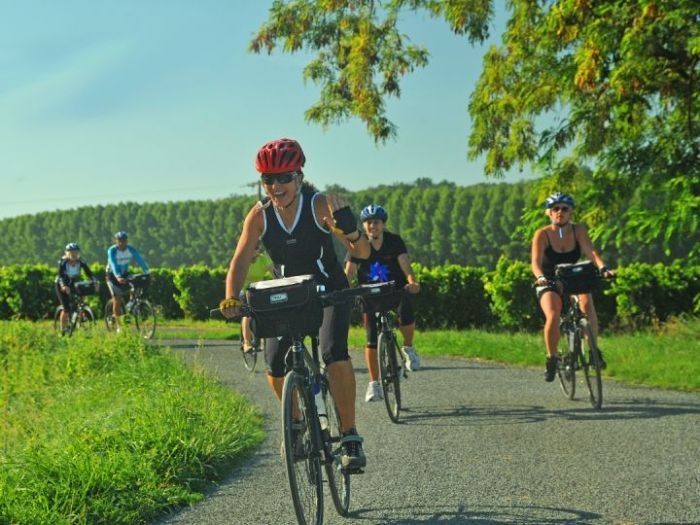
Explore the enchanting landscapes of the French countryside on two wheels! Cycling tours offer a unique perspective, allowing you to immerse yourself in the region’s charm at your own pace. From picturesque vineyards to majestic mountains, the diverse terrains cater to various fitness levels and preferences, promising an unforgettable adventure for every cyclist.
Whether you prefer a guided tour with expert insights or a self-guided journey for independent exploration, numerous options exist to suit your style. Imagine cycling through sun-drenched vineyards, sampling local wines, and experiencing the rich culture and history that permeates every corner of this beautiful nation. This guide delves into the popularity, variety, and unique experiences offered by cycling tours in the French countryside.
Popularity and Trends of Cycling Tours in the French Countryside
Cycling tours in the French countryside have experienced a significant surge in popularity, becoming a prominent segment within the broader European cycling tourism market. This growth is fueled by a confluence of factors, including the region’s stunning landscapes, well-maintained cycling infrastructure, and the increasing desire for active and immersive travel experiences.
Current Popularity Compared to Other European Countries
France consistently ranks among the top destinations for cycling tourism in Europe, competing with established players like Italy and Spain. While exact comparative figures are difficult to obtain due to variations in data collection methods across countries, anecdotal evidence and industry reports suggest that France’s popularity is strong and steadily growing. This is largely attributed to the diversity of cycling experiences available, from challenging mountain passes to leisurely routes through picturesque vineyards and charming villages.
The extensive network of dedicated cycling paths, combined with a robust tourism infrastructure, further enhances its appeal.
Key Demographic Groups Interested in Cycling Tours
The demographic profile of cycling tourists in the French countryside is diverse, but several key groups stand out. Active retirees seeking enjoyable physical activity and cultural immersion form a substantial segment. Families with older children, drawn to the combination of outdoor adventure and educational opportunities, also represent a significant portion of the market. Furthermore, a growing number of younger adults, particularly those interested in sustainable and eco-friendly travel, are choosing cycling tours as a way to explore the region.
Finally, a significant segment comprises experienced cyclists seeking challenging routes and high-quality cycling infrastructure.
Seasonal Variations in Demand
Demand for cycling tours in the French countryside exhibits a strong seasonal pattern. The peak season typically runs from April to October, coinciding with favorable weather conditions. The shoulder seasons (March-April and September-October) offer a balance of pleasant weather and fewer crowds. During the winter months (November-February), demand significantly drops due to adverse weather conditions, although some specialized winter cycling tours catering to hardy enthusiasts might still operate.
Growth or Decline of Cycling Tourism in the Past Five Years
The following table provides a hypothetical illustration of the growth of cycling tourism in the French countryside over the past five years. Note that precise data collection across the entire sector is challenging, and these figures represent an approximation based on industry trends and available reports.
| Year | Number of Tours | Average Tour Length (Days) | Average Tourist Spending (€) |
|---|---|---|---|
| 2019 | 15,000 | 7 | 1200 |
| 2020 | 12,000 | 6 | 1000 |
| 2021 | 18,000 | 7.5 | 1500 |
| 2022 | 22,000 | 8 | 1800 |
| 2023 | 25,000 | 8.5 | 2000 |
Types of Cycling Tours Offered
Cycling tours in the French countryside cater to a wide range of preferences and fitness levels, offering diverse experiences for everyone from seasoned cyclists to families with young children. The variety ensures that there’s a perfect tour for every traveler. Choosing the right tour depends largely on your desired level of independence, preferred level of luxury, and your physical capabilities.
The options span from fully guided, luxury experiences to independent, budget-friendly adventures. Each type provides a unique perspective on the breathtaking French landscape, offering different levels of support and challenges.
Guided vs. Self-Guided Tours
Guided tours provide a structured itinerary with a knowledgeable guide leading the way. This eliminates the stress of navigation and planning, allowing you to fully immerse yourself in the experience. Self-guided tours, conversely, offer greater freedom and flexibility, letting you explore at your own pace and deviate from the planned route as desired.
Example Guided Tour: A seven-day tour through Provence, cycling through lavender fields and vineyards, visiting charming villages like Gordes and Roussillon. The guide handles logistics, provides historical context, and ensures a smooth experience. The daily mileage would be moderate, suitable for average fitness levels.
Example Self-Guided Tour: A five-day cycling exploration of the Loire Valley, following marked cycling routes that pass by majestic chateaux. Detailed maps and route descriptions are provided, but cyclists manage their own pace and accommodation. This option is suitable for cyclists with some experience and navigational skills, offering a greater sense of independence. Daily mileage can be adjusted to individual preferences.
Fitness Level: Guided tours often cater to a broader range of fitness levels, while self-guided tours generally require a higher level of fitness and self-sufficiency.
Luxury vs. Budget Cycling Tours
Luxury tours provide high-end accommodations, gourmet meals, and premium services, focusing on comfort and indulgence. Budget tours prioritize affordability, often utilizing simpler accommodations and self-catering options, emphasizing the cycling experience itself.
Example Luxury Tour: A week-long tour in Burgundy, staying in charming boutique hotels, enjoying wine tastings at prestigious vineyards, and dining at Michelin-starred restaurants. The cycling routes are scenic but manageable, suitable for moderate fitness levels. Support vehicles are available for luggage transfer and assistance.
Example Budget Tour: A cycling trip through the Dordogne, staying in comfortable but modestly priced guesthouses or charming bed and breakfasts. Cyclists prepare their own meals or utilize local cafes and restaurants. Routes are well-marked, and daily distances are adaptable to individual preferences. This option appeals to budget-conscious cyclists who are comfortable with a more independent travel style. Fitness levels can vary depending on chosen daily distances.
Fitness Level: Both luxury and budget tours can cater to various fitness levels, although luxury tours might offer more support for less experienced cyclists.
Family-Friendly vs. Adventurous Cycling Tours
Family-friendly tours are designed with children in mind, featuring shorter daily distances, gentler routes, and plenty of opportunities for sightseeing and breaks. Adventurous tours, conversely, focus on challenging routes, longer distances, and more demanding terrain, suitable for experienced cyclists seeking a physical challenge.
Example Family-Friendly Tour: A four-day cycling trip along the Canal du Midi, featuring flat, easy routes suitable for children and adults of all ages. The tour includes stops at interesting points of interest, with opportunities for swimming and picnics. Daily distances are short, allowing ample time for relaxation and exploration.
Example Adventurous Tour: A week-long cycling tour through the Pyrenees Mountains, featuring challenging climbs and descents, breathtaking views, and opportunities to explore remote villages. This tour requires a high level of fitness and experience in hill climbing. Daily distances are longer, and the terrain is demanding.
Fitness Level: Family-friendly tours require minimal fitness, while adventurous tours demand high levels of fitness and cycling experience.
Comparison Table
| Tour Type | Pros | Cons | Fitness Level |
|---|---|---|---|
| Guided | Stress-free, knowledgeable guide, immersive experience | Less flexibility, potentially higher cost | Moderate to High (depending on the specific tour) |
| Self-Guided | Flexibility, independence, potentially lower cost | Requires navigation skills, more planning needed | Moderate to High (depending on the chosen routes and distances) |
| Luxury | Comfort, high-end amenities, gourmet experiences | Higher cost | Moderate (often less challenging routes) |
| Budget | Affordability | Simpler accommodations, more self-sufficiency required | Variable (depending on chosen routes and distances) |
| Family-Friendly | Suitable for all ages, shorter distances, gentler routes | Less challenging, limited exploration of remote areas | Low to Moderate |
| Adventurous | Challenging routes, breathtaking scenery, sense of accomplishment | Demanding, requires high fitness level and experience | High |
The French Countryside Experience
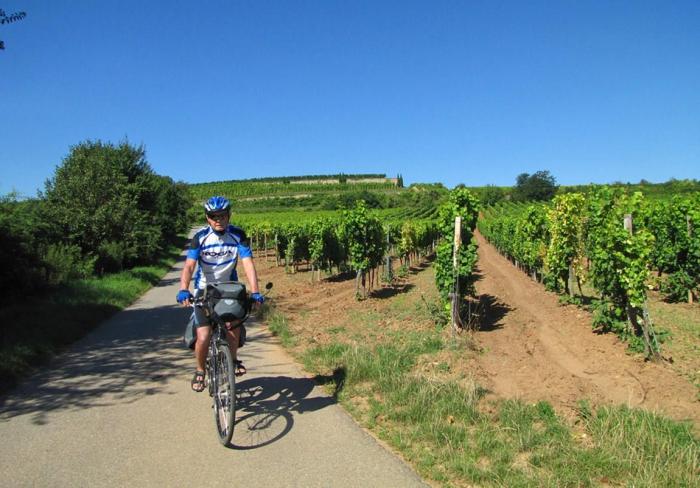
Cycling through the French countryside offers a sensory feast, a journey that transcends mere physical exertion to become a deep immersion in the nation’s rich tapestry of landscapes, culture, and history. The diverse terrains and charming villages encountered along the way create an unforgettable experience for cyclists of all levels.The sheer variety of landscapes encountered on a French cycling tour is remarkable.
From the rolling hills of Provence, dotted with sun-drenched vineyards and ancient olive groves, to the dramatic peaks of the Alps and Pyrenees, offering challenging climbs and breathtaking panoramic views, the scenery constantly evolves. Coastal routes along the Atlantic or Mediterranean offer invigorating sea breezes and stunning vistas of sandy beaches and dramatic cliffs. The lush valleys of the Loire Valley, famed for their chateaux, provide a gentler cycling experience amidst picturesque farmland.
Each region possesses a unique character, shaped by its geography and history.
Diverse Landscapes of France
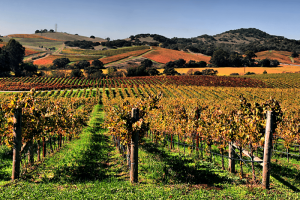
The landscapes encountered on cycling tours across France are exceptionally diverse. The sun-drenched vineyards of Bordeaux and Burgundy offer a picturesque setting for leisurely rides, while the rugged mountains of the Alps and Pyrenees present a more challenging but equally rewarding experience. The rolling hills of Normandy, dotted with charming villages and historical sites, provide a gentler pace, while the dramatic coastline of Brittany offers stunning coastal views and refreshing sea breezes.
The varied terrain ensures that there’s a cycling route to suit every preference and fitness level. The plains of the Loire Valley present a flat, gentle route for those seeking a less strenuous ride.
Flora and Fauna of the French Countryside
Cyclists will encounter a rich array of flora and fauna throughout their journey. In the vineyards, wildflowers such as poppies and lavender often bloom in abundance, their vibrant colors contrasting beautifully with the green vines. The forests of the Massif Central are home to diverse wildlife, including deer, wild boar, and various bird species. Along the coast, cyclists might spot seabirds soaring overhead or seals basking on the rocks.
The diverse ecosystems found across France provide a constant stream of natural beauty to admire during a cycling tour. In the mountains, alpine flora, such as edelweiss, can be observed at higher altitudes.
Cultural and Historical Significance of Cycling Routes
Many cycling routes traverse regions steeped in history and cultural significance. The Loire Valley, for example, is dotted with magnificent chateaux, each telling a story of French royalty and nobility. Provence boasts Roman ruins and medieval villages, offering glimpses into the region’s rich past. Normandy holds significant historical importance as the site of the D-Day landings, and cycling tours can incorporate visits to poignant memorials and battlefields.
The vineyards of Bordeaux and Burgundy have a long and storied history, and many tours include visits to renowned wineries and cellars. These historical and cultural elements add another layer of richness to the cycling experience.
Unique Activities Alongside Cycling
The beauty of a cycling tour in the French countryside lies not only in the cycling itself but also in the diverse range of activities that can be incorporated along the way.
- Wine Tasting: Numerous vineyards offer tours and tastings, allowing cyclists to sample the region’s renowned wines and learn about the winemaking process.
- Cheese Making Workshops: Participate in hands-on workshops to learn the art of cheesemaking, from milking the goats or cows to crafting your own cheese.
- Historical Site Visits: Explore castles, cathedrals, Roman ruins, and other historical landmarks, gaining a deeper understanding of the region’s past.
- Culinary Experiences: Indulge in regional specialties at local restaurants and markets, savoring the flavors of French cuisine.
- Market Visits: Explore vibrant local markets brimming with fresh produce, cheeses, and other regional delicacies.
Comparison with Similar Travel Experiences
Cycling tours in the French countryside offer a unique blend of activity, cultural immersion, and natural beauty. However, it’s useful to compare this experience with other travel styles to highlight its distinct advantages and target audience. This comparison will consider several popular travel options, focusing on key differences in cost, activity level, and the type of traveler each best suits.
Cycling Tours versus Other Travel Experiences
Cycling tours through the French countryside differ significantly from other travel styles. While some, like agricultural or wine tourism, share elements of immersion in the local culture, the active nature of cycling sets it apart. Spiritual journeys, for instance, prioritize introspection and often involve slower paces and less physical exertion. In contrast, a cycling tour demands a certain level of fitness and an active engagement with the landscape.
Remote destinations often necessitate more logistical planning and may lack the established infrastructure and support readily available on well-organized cycling tours. Theme park vacations, private jet travel, and luxury train journeys represent entirely different ends of the travel spectrum, focused on entertainment, speed, and high-end luxury respectively, rather than active exploration and cultural immersion.
Target Audience Differences
The target audience for each travel type varies considerably. Cycling tours in the French countryside appeal to active travelers, often those aged 30-65, who appreciate a balance of physical activity, cultural engagement, and scenic beauty. They value independence and self-sufficiency, though the organized nature of many tours provides a degree of support and structure. Spiritual journeys attract individuals seeking personal growth and introspection, often prioritizing solitude and mindful experiences.
Remote destination travel tends to appeal to adventurous travelers seeking unique and challenging experiences. Theme park vacations target families and younger individuals seeking entertainment and thrills. Private jet travel and luxury train journeys cater to affluent travelers prioritizing comfort, convenience, and exclusivity. Agricultural and wine tourism appeal to those interested in food, drink, and rural life, while heritage tourism attracts history buffs and culture enthusiasts.
City breaks, finally, are popular with travelers who prefer a more urban setting and a packed itinerary of sightseeing and cultural activities.
Comparative Table: Cost, Activity Level, and Target Audience
| Travel Type | Cost | Activity Level | Target Audience |
|---|---|---|---|
| Cycling Tours (French Countryside) | Moderate to High (depending on tour length and luxury) | Moderate to High | Active travelers (30-65), nature lovers, culture enthusiasts |
| Spiritual Journeys | Variable, can be budget-friendly to luxury | Low to Moderate | Individuals seeking introspection and personal growth |
| Remote Destinations | Moderate to High (often higher due to logistics) | Moderate to High (depending on the destination) | Adventurous travelers, experienced hikers/backpackers |
| Theme Park Vacations | Moderate to High (depending on park and length of stay) | Moderate | Families, young adults seeking entertainment |
| Private Jet Travel | Very High | Low | Affluent travelers prioritizing speed and convenience |
| Luxury Train Journeys | High | Low | Affluent travelers seeking luxurious and comfortable travel |
| Agricultural Tourism | Moderate | Low to Moderate | Foodies, individuals interested in rural life and farming |
| Wine & Vineyard Tours | Moderate to High | Low to Moderate | Wine enthusiasts, foodies |
| Heritage Tourism | Variable | Low to Moderate | History buffs, culture enthusiasts |
| City Breaks | Low to High (depending on city and activities) | Moderate | Sightseers, culture enthusiasts, shoppers |
Marketing and Promotion of Cycling Tours
Successfully marketing cycling tours in the French countryside requires a multi-faceted approach leveraging both traditional and digital strategies to reach a diverse audience of potential customers. Effective marketing hinges on showcasing the unique beauty and experiences offered, appealing to the desires of adventure-seeking cyclists and leisure travelers alike.Effective marketing strategies for cycling tours in the French countryside often combine targeted advertising with compelling visual storytelling.
This involves highlighting the unique aspects of the tours, such as the stunning scenery, charming villages, and delicious local cuisine. A key element is building trust and credibility through testimonials and reviews, demonstrating the quality of the experience.
Marketing Channels
Reaching potential customers necessitates a strategic use of various channels. Online platforms such as dedicated travel websites (e.g., those specializing in cycling holidays), general travel aggregators (like Expedia or Booking.com), and the tour operator’s own website are crucial. Social media platforms, particularly Instagram and Facebook, are exceptionally effective for visually showcasing the tours. Partnerships with travel agencies specializing in adventure or cycling tourism can expand reach significantly.
Print advertising in relevant magazines (e.g., cycling publications or travel guides) can also play a supporting role, although its reach is more limited in the digital age.
Visual Marketing
High-quality visuals are paramount in attracting tourists. Images should depict the breathtaking landscapes: sun-drenched vineyards rolling across the hills, quaint villages nestled amongst ancient stone walls, cyclists gliding along picturesque country lanes bathed in golden light. Videos should capture the dynamism of the experience: the feeling of wind in one’s hair as they cycle through fields of sunflowers, the camaraderie of fellow cyclists enjoying a picnic lunch overlooking a valley, the satisfaction of reaching a scenic viewpoint after a challenging climb.
Images should focus on detail: a close-up shot of a perfectly ripe peach from a roadside stall, a cyclist’s hand resting on a weathered stone wall, the vibrant colors of a local market. Videos should employ cinematic techniques, utilizing drone footage to capture expansive views and dynamic camera angles to create an immersive experience.
Successful Marketing Campaigns
A successful campaign launched by a tour operator showcased stunning drone footage of the Loire Valley cycling routes set to calming, evocative music. This video, shared extensively on social media, generated a significant increase in bookings. Another example involved a partnership with a well-known cycling magazine, resulting in a feature article with breathtaking photography and testimonials from satisfied customers.
This resulted in a substantial boost in website traffic and bookings. A third example involved a targeted Facebook ad campaign focusing on specific demographics (e.g., affluent individuals interested in active travel and French culture). This resulted in a higher conversion rate than broader campaigns. The success of these campaigns demonstrates the importance of tailoring marketing efforts to specific audiences and utilizing a diverse range of channels and formats.
Sustainability and Environmental Impact
Cycling tours, while inherently more environmentally friendly than car-based tourism, still have an impact on the French countryside. Understanding and minimizing this impact is crucial for ensuring the long-term viability and enjoyment of these tours. This section details the environmental considerations, sustainable practices, and the role of local communities in preserving the beauty and integrity of the French landscape.The environmental impact of cycling tours primarily stems from transportation to and from the tour starting point, accommodation choices, waste generation by participants, and the potential disturbance of local ecosystems.
Strategies for minimizing this footprint include promoting the use of public transport or carpooling to reach the tour’s starting location, choosing eco-friendly accommodations that prioritize sustainability, and implementing strict waste management policies that encourage recycling and responsible disposal. Educating participants about responsible environmental behavior is also paramount.
Minimizing the Environmental Footprint of Cycling Tours
Minimizing the environmental footprint of cycling tours requires a multifaceted approach encompassing several key areas. The following bullet points highlight best practices for eco-friendly cycling tour operations.
- Sustainable Transportation: Encourage participants to utilize public transport (trains, buses) or carpooling to reach the starting point, thereby reducing the number of individual car journeys. Consider offering organized shuttle services from major transportation hubs to reduce reliance on private vehicles.
- Eco-Friendly Accommodation: Partner with hotels and guesthouses that demonstrate a commitment to sustainable practices, such as using renewable energy sources, implementing water conservation measures, and minimizing waste generation. Promote accommodations that actively support local communities and environmental initiatives.
- Waste Management: Implement a comprehensive waste management plan that includes clear instructions for participants on waste sorting and disposal. Provide readily accessible recycling bins along routes and at accommodation sites. Minimize single-use plastics and encourage the use of reusable water bottles and containers.
- Responsible Route Planning: Carefully plan tour routes to minimize environmental disruption. Avoid sensitive ecological areas and prioritize routes that minimize the impact on wildlife and natural habitats. Choose routes that utilize existing infrastructure to avoid unnecessary trail construction.
- Educating Participants: Provide participants with clear guidelines on responsible environmental behavior before, during, and after the tour. Educate them about the local flora and fauna, the importance of respecting the natural environment, and the impact of their actions. Encourage them to leave no trace behind.
Initiatives Promoting Sustainable Tourism in the French Countryside
Several initiatives are underway to promote sustainable tourism practices in the French countryside. These include government programs offering financial incentives to businesses that adopt sustainable practices, the development of eco-certification schemes for tourism businesses, and the creation of protected areas and nature reserves to preserve biodiversity. Many local organizations are also actively involved in promoting sustainable tourism through education and awareness campaigns.
For example, the French Ministry of Ecology and Sustainable Development has numerous programs supporting sustainable tourism development.
The Role of Local Communities in Supporting Sustainable Tourism
Local communities play a vital role in ensuring the sustainability of cycling tours. Their involvement in planning, managing, and benefiting from tourism activities is essential for creating a positive and lasting impact. By actively participating in the development of sustainable tourism strategies, local communities can protect their environment, preserve their cultural heritage, and ensure that tourism benefits their economy in a responsible manner.
This includes creating opportunities for local businesses to supply goods and services to tour operators, employing local guides, and educating local residents about the importance of sustainable tourism. For instance, many villages along popular cycling routes are actively involved in creating cycling-friendly infrastructure and offering locally-sourced food and accommodation options.
Final Thoughts
Cycling through the French countryside provides an unparalleled travel experience, blending physical activity with cultural immersion. The diverse range of tours, from leisurely rides through vineyards to challenging mountain climbs, ensures there’s an adventure for everyone. By embracing sustainable practices and supporting local communities, these tours offer a responsible and rewarding way to explore this captivating region. So, saddle up and prepare for an unforgettable journey through the heart of France!
FAQ Explained
What’s the best time of year to cycle in the French countryside?
Spring and autumn generally offer the most pleasant weather, with fewer crowds than the peak summer months.
Do I need to be a highly experienced cyclist?
No, tours cater to various fitness levels. Choose a tour that matches your abilities; options range from leisurely rides to more challenging routes.
What should I pack for a cycling tour in France?
Pack comfortable cycling clothing, rain gear, sunscreen, a basic first-aid kit, and any personal medications. Check the specific tour itinerary for further recommendations.
How much does a cycling tour in the French countryside cost?
Prices vary greatly depending on the tour duration, type (luxury vs. budget), and included services. Research and compare different options to find the best fit for your budget.