Dreaming of pristine beaches, turquoise waters, and unparalleled tranquility? Remote island vacations offer an escape from the ordinary, a chance to reconnect with nature and discover hidden paradises. From volcanic landscapes teeming with life to tranquil coral atolls, these destinations promise unique experiences tailored to diverse preferences, whether you seek adventurous exploration or peaceful seclusion.
This exploration delves into the diverse facets of remote island getaways, encompassing planning considerations, sustainable tourism practices, and comparisons with other vacation styles. We’ll guide you through selecting the perfect island escape, highlighting unique activities and accommodations to craft an unforgettable experience.
Defining “Remote Island Vacations”
Remote island vacations offer a unique escape, promising tranquility and a connection with nature far removed from the hustle of everyday life. These getaways are characterized by their isolation, pristine environments, and opportunities for immersion in a different culture and landscape. The experience goes beyond simply visiting a beach; it’s about embracing a slower pace, disconnecting from technology, and reconnecting with oneself and the natural world.The defining characteristic of a remote island vacation is the significant distance from mainland civilization and other tourist hubs.
This isolation contributes to a sense of seclusion and peace, allowing for a deeper appreciation of the natural beauty surrounding the island. Accessibility is often limited, requiring potentially longer journeys, adding to the sense of adventure and exclusivity. The level of development varies considerably, with some islands offering luxurious resorts and others providing more rustic, eco-friendly accommodations.
Types of Remote Islands and Their Unique Appeal
Remote islands offer a diverse range of experiences depending on their geological formation and ecological features. Volcanic islands, formed by volcanic activity, often boast dramatic landscapes, black sand beaches, and unique flora and fauna adapted to the volcanic soil. Examples include the Canary Islands (Spain) known for their dramatic volcanic peaks and diverse ecosystems, or the islands of Hawaii, renowned for their active volcanoes and lush rainforests.
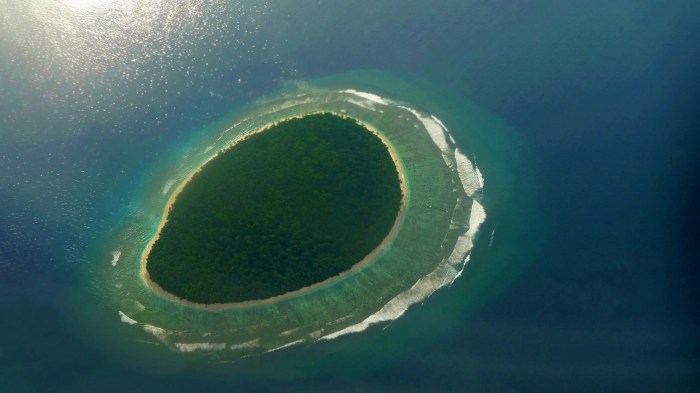
In contrast, coral islands, formed by the accumulation of coral skeletons, typically offer calm, turquoise waters, vibrant coral reefs teeming with marine life, and white sand beaches perfect for snorkeling and diving. The Maldives, with its extensive network of coral atolls and luxurious overwater bungalows, is a prime example. Other island types include continental islands, formed by geological processes connected to continents, often featuring varied terrains and diverse ecosystems.
Madagascar, with its unique biodiversity and distinctive landscapes, exemplifies this type. Each type presents a unique and compelling appeal based on its geological history and resulting environment.
Factors Influencing the Choice of a Remote Island Destination
The decision of where to embark on a remote island vacation involves careful consideration of several key factors. Accessibility plays a crucial role, as travel time and costs can significantly impact the overall experience. Some remote islands are only accessible by boat or small plane, adding to the adventure but also increasing travel time and expenses. Cost is another major consideration, with prices varying widely depending on the level of luxury offered, the location, and the time of year.
Luxury resorts on exclusive islands can be exceptionally expensive, while more budget-friendly options exist on islands with simpler accommodations and fewer amenities. The types of activities available also influence the choice. Some travelers prioritize relaxation and water sports like diving or snorkeling, while others seek opportunities for hiking, exploring unique wildlife, or engaging with local cultures. For example, a traveler seeking world-class diving might choose Palau, while someone prioritizing hiking and cultural immersion might select a remote island in the Pacific Northwest.
The balance between these factors helps determine the ideal remote island destination for each individual traveler.
Types of Remote Island Experiences
Remote island vacations offer a diverse range of experiences, catering to various preferences and budgets. The type of accommodation chosen significantly impacts the overall feel of the trip, influencing the level of luxury, interaction with nature, and the overall adventure level. Similarly, the available activities are just as varied, ranging from tranquil relaxation to adrenaline-pumping adventures.
Remote Island Accommodation Options
The choice of accommodation on a remote island is crucial in determining the overall vacation experience. Options range from luxurious resorts offering extensive amenities to eco-lodges prioritizing sustainability and immersion in nature, and finally, private villas providing ultimate seclusion and privacy. Each option offers a unique set of advantages and disadvantages.
- Luxury Resorts: These resorts typically boast opulent accommodations, multiple dining options, extensive spa facilities, and a wide array of activities. Examples include the Four Seasons Landaa Giraavaru in the Maldives or The Brando in French Polynesia. These resorts often come with a higher price tag but provide unparalleled comfort and service.
- Eco-Lodges: Eco-lodges prioritize sustainability and minimal environmental impact. They often feature simpler, but comfortable accommodations, focusing on integrating with the natural surroundings. These lodges frequently offer opportunities for nature-based activities and educational experiences about the local ecosystem. Examples might include lodges in Costa Rica or the Amazon rainforest, though these are not strictly island-based, they demonstrate the core principles.
- Private Villas: Private villas offer the ultimate in seclusion and privacy. These can range from modestly sized bungalows to expansive estates with private pools and staff. They provide a high level of personalized service and a truly exclusive experience. Many private villas are found in the Caribbean or the Seychelles, often requiring booking through a specialized agency.
Remote Island Activities by Adventure Level
The activities available on remote islands are as diverse as the islands themselves. We can categorize them based on the level of adventure involved, allowing travelers to select experiences that match their preferences and physical capabilities.
| Activity Category | Adventure Level | Target Audience | Examples |
|---|---|---|---|
| Relaxation & Recreation | Low | Couples, families, individuals seeking tranquility | Sunbathing, swimming, reading, spa treatments, leisurely walks on the beach. |
| Water Sports | Low to Moderate | Families, couples, adventure seekers | Snorkeling, swimming, stand-up paddleboarding (SUP), kayaking, introductory diving courses. |
| Adventure Activities | Moderate to High | Adventure seekers, thrill-seekers | Scuba diving, deep-sea fishing, hiking, rock climbing (where available), surfing. |
| Cultural Experiences | Low to Moderate | All travelers interested in learning about local cultures | Visiting local villages, learning about traditional crafts, attending cultural events. |
Planning a Remote Island Vacation
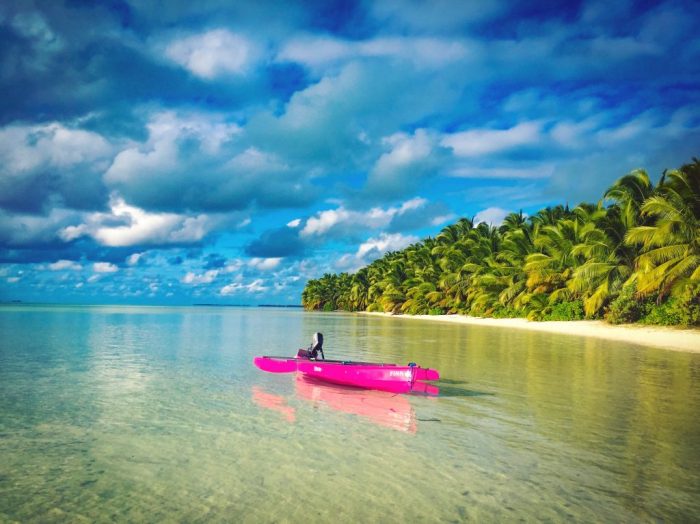
Planning a remote island vacation requires careful consideration of various factors to ensure a safe, enjoyable, and sustainable trip. From transportation logistics to packing essentials and respecting the environment, meticulous preparation is key to a truly memorable experience. This section will Artikel a sample itinerary, a packing checklist, and the importance of sustainable tourism practices.
Sample Week-Long Remote Island Vacation Itinerary
This itinerary focuses on a hypothetical trip to a remote island in the Maldives, adaptable to other locations with similar characteristics. The emphasis is on balancing relaxation with exploration while minimizing environmental impact.
Day 1: Arrival and Settling In
Arrive at Malé International Airport (MLE), transfer via seaplane to your overwater bungalow resort. Enjoy the breathtaking scenery during the transfer and settle into your accommodation. Spend the afternoon relaxing on the beach or exploring the immediate surroundings.
Day 2: Snorkelling and Sunset Cruise
Morning snorkelling excursion to a nearby coral reef, observing vibrant marine life. Afternoon at leisure, followed by a sunset dolphin-watching cruise.
Day 3: Island Hopping and Local Culture
Boat trip to a local inhabited island, experiencing the culture and interacting with the community. Enjoy a traditional Maldivian lunch and browse local handicrafts.
Day 4: Relaxation and Water Sports
Relaxation by the pool or beach. Afternoon engaging in water sports such as paddleboarding or kayaking. Enjoy a spa treatment in the evening.
Day 5: Diving or Fishing Excursion
Participate in a guided scuba diving or snorkelling trip to explore deeper reefs. Alternatively, try a deep-sea fishing excursion.
Day 6: Photography and Beachcombing
Spend the morning capturing the island’s beauty through photography. Afternoon beachcombing, collecting shells and enjoying the tranquility.
Day 7: Departure
Enjoy a final breakfast overlooking the ocean. Transfer via seaplane back to Malé International Airport for your departure.
Essential Packing Checklist for a Remote Island Trip
Preparing a comprehensive packing list ensures you have everything needed for a smooth and enjoyable trip. This list prioritizes items suitable for a tropical climate and remote island setting.
- Lightweight, breathable clothing (shorts, t-shirts, sundresses)
- Swimsuits (at least two)
- Sunscreen (high SPF, reef-safe)
- Sunglasses and a hat
- Insect repellent
- Reusable water bottle
- Snorkelling gear (mask, snorkel, fins)
- Comfortable walking shoes
- Toiletries (biodegradable options preferred)
- First-aid kit
- Camera and charger
- Waterproof bag
- Copies of important documents (passport, tickets, insurance)
Sustainable Tourism Practices on Remote Islands
Sustainable tourism is crucial for preserving the fragile ecosystems of remote islands. It involves minimizing environmental impact and supporting local communities.
Several key practices contribute to sustainable tourism:
- Choosing eco-friendly accommodations and tour operators committed to sustainability.
- Respecting wildlife and avoiding disturbing natural habitats.
- Using reef-safe sunscreen to protect coral reefs.
- Minimizing waste by reducing plastic consumption and properly disposing of rubbish.
- Supporting local businesses and communities through purchases and interactions.
- Educating oneself about the island’s environment and culture before and during the trip.
Remote Islands vs. Other Vacation Types
Remote island vacations offer a unique escape, but how do they compare to other popular travel styles? Understanding these distinctions can help travelers choose the experience best suited to their needs and preferences. This section will explore the similarities and differences between remote island vacations and several other vacation types, focusing on key aspects like relaxation, introspection, cost, and the overall experience.
Remote Island Vacations and Spiritual Journeys: A Comparison
Both remote island vacations and spiritual journeys emphasize relaxation and introspection, but they achieve this through different means. Spiritual journeys often involve structured activities like meditation retreats or pilgrimages, focusing on inner peace and self-discovery through spiritual practices. Remote island vacations, while conducive to introspection and relaxation due to their isolation and natural beauty, are less structured. The connection with nature is central to both; however, a spiritual journey might prioritize specific sites or rituals linked to a particular faith or practice, while a remote island vacation offers a more generalized connection with the natural environment through swimming, hiking, or simply observing the landscape.
The emphasis on self-reflection is present in both, but the catalysts for this reflection differ significantly.
Remote Island Vacations and Theme Park Vacations: Contrasting Experiences
Remote island vacations and theme park vacations represent polar opposites on the vacation spectrum. Theme parks offer highly structured entertainment, focusing on thrilling rides, shows, and character interactions. The experience is fast-paced and often crowded, emphasizing external stimulation. Remote island vacations, in contrast, prioritize relaxation and a slower pace. Entertainment is largely derived from the natural environment and personal activities like swimming, snorkeling, or reading.
Cost is also a significant differentiator; theme park vacations can be expensive due to ticket prices, food, and merchandise, while the cost of a remote island vacation can vary greatly depending on accommodation and activities, but often involves higher upfront costs for travel to remote locations.
Remote Island Vacations and Other Luxury Travel Options
Several other luxury travel options, such as private jet travel, luxury train journeys, and even certain types of agricultural tourism, share some similarities with remote island vacations in terms of exclusivity and potential for relaxation. However, they differ significantly in their focus. Private jet travel and luxury train journeys prioritize speed and convenience, focusing on reaching a destination efficiently and experiencing luxury during transit.
Agricultural tourism might offer relaxation and connection with nature, but it usually involves a degree of participation in farming activities, a contrast to the passive relaxation often associated with remote islands. Similarly, cycling tours, wine and vineyard tours, and heritage tourism offer unique experiences, but lack the complete isolation and focus on natural beauty found in remote island getaways.
City breaks, meanwhile, are characterized by urban exploration and cultural immersion, standing in stark contrast to the seclusion and tranquility of a remote island. The unique aspect of remote island vacations is the combination of seclusion, natural beauty, and opportunities for relaxation and introspection, not found in the same way in these other options.
Illustrating Remote Island Destinations
Choosing a remote island for your vacation offers a unique escape from the everyday. The isolation and pristine natural beauty provide an unparalleled opportunity for relaxation, adventure, or a blend of both. The following examples showcase the diversity found in remote island destinations, highlighting the unique experiences each offers.
The natural environment of a remote island profoundly shapes the vacation experience. The landscape, climate, and available resources dictate the activities possible and the overall atmosphere. This is further influenced by the local culture and any infrastructure present, creating a truly distinct vacation style for each location.
Three Distinct Remote Island Destinations
| Island Name | Key Features | Activities | Overall Vibe |
|---|---|---|---|
| Palawan, Philippines | Stunning limestone cliffs, hidden lagoons, pristine beaches, diverse marine life, lush jungles. | Island hopping, snorkeling, diving, kayaking, hiking, exploring underground rivers, relaxing on beaches. | Adventurous, relaxing, culturally rich, visually breathtaking. |
| Faroe Islands, Denmark | Dramatic volcanic landscapes, towering cliffs, cascading waterfalls, charming villages, abundant birdlife. | Hiking, birdwatching, exploring charming villages, whale watching, kayaking, experiencing local culture. | Rugged, dramatic, peaceful, culturally unique, adventurous. |
| Lord Howe Island, Australia | Volcanic origins, pristine beaches, lush rainforests, abundant birdlife, clear waters, limited development. | Hiking, snorkeling, diving, exploring the lagoon, birdwatching, relaxing on beaches, enjoying the limited development. | Relaxing, secluded, natural, eco-conscious, peaceful. |
Influence of Natural Environment on Vacation Experience
The natural environment plays a crucial role in shaping the vacation experience offered by remote islands. Several key aspects contribute to this influence.
- Landscape and Terrain: A mountainous island will offer hiking and breathtaking views, while a low-lying atoll will be ideal for swimming, snorkeling, and relaxing on beaches. For example, the rugged terrain of the Faroe Islands lends itself to adventurous hiking experiences, while the flat landscapes of the Maldives are perfect for leisurely beach vacations.
- Climate: Tropical islands offer warm weather and sunshine, perfect for water sports and outdoor activities year-round. Conversely, islands in temperate or colder climates will offer different activities based on the season. Lord Howe Island, with its subtropical climate, provides opportunities for both water activities and rainforest exploration.
- Marine Life: The abundance and diversity of marine life dictate the opportunities for snorkeling, diving, and other water-based activities. Palawan, renowned for its biodiversity, attracts divers from around the world.
- Flora and Fauna: The unique plant and animal life of an island can create opportunities for nature walks, bird watching, and wildlife spotting, enhancing the overall experience. The unique flora and fauna of Lord Howe Island contribute to its significant ecological value and appeal.
The Sustainable Aspect of Remote Island Tourism
Remote island tourism presents a unique paradox: these idyllic locations, often boasting unparalleled natural beauty and unique cultures, are highly vulnerable to the very tourism that brings economic benefits. The delicate balance between economic development and environmental protection, as well as the preservation of local traditions, requires careful consideration and proactive sustainable practices. Failure to do so risks irreparable damage to these fragile ecosystems and the communities that call them home.The environmental challenges facing remote islands due to tourism are significant and multifaceted.
Increased visitor numbers often lead to habitat destruction through infrastructure development, pollution from waste and emissions, and the disruption of delicate ecosystems. Overfishing and the introduction of invasive species further exacerbate the problem. The sheer volume of waste generated by tourists, particularly plastic waste, poses a considerable threat to marine life and coastal environments. Furthermore, the increased demand for resources, such as fresh water and energy, can strain already limited supplies.
Environmental Challenges and Sustainable Tourism Solutions
Addressing these challenges requires a multi-pronged approach focusing on minimizing the environmental footprint of tourism. This includes investing in renewable energy sources, such as solar and wind power, to reduce reliance on fossil fuels. Implementing stringent waste management systems, including comprehensive recycling and composting programs, is crucial. Protecting sensitive habitats through the establishment of marine protected areas and responsible land-use planning can help mitigate the impact of tourism development.
Educating tourists about responsible behavior, such as minimizing waste and respecting wildlife, is also vital. Finally, supporting local initiatives focused on environmental conservation and restoration can contribute significantly to long-term sustainability. For example, the Maldives has implemented various initiatives, including coral reef restoration projects and the use of eco-friendly boats, to mitigate the environmental impacts of tourism.
Impact of Tourism on Local Culture and Economy
Tourism’s impact on the local culture and economy of remote islands is complex and often contradictory. While it can generate significant economic benefits, providing employment opportunities and revenue for local communities, it can also lead to cultural commodification and the erosion of traditional practices. The influx of tourists can lead to a rise in the cost of living, making it difficult for locals to afford housing and other necessities.
Furthermore, the increased exposure to outside cultures can result in the loss of traditional languages, customs, and social structures. However, responsible tourism can be a powerful tool for cultural preservation. By supporting local businesses, engaging with local communities respectfully, and learning about their traditions, tourists can contribute to the economic well-being of the island while preserving its unique cultural heritage.
For instance, community-based tourism initiatives, where local residents are directly involved in the planning and operation of tourism activities, can empower communities and ensure that the benefits of tourism are shared equitably.
Promoting Responsible Tourism Practices
Promoting responsible tourism practices among travelers requires a concerted effort from multiple stakeholders, including governments, tourism operators, and individual tourists. Clear guidelines and regulations regarding environmental protection and cultural sensitivity should be established and enforced. Tourism operators should be encouraged to adopt sustainable practices and offer eco-friendly tours and activities. Educational campaigns targeting tourists can highlight the importance of respecting local cultures and environments.
Travelers should be encouraged to choose sustainable accommodations, support local businesses, and minimize their environmental impact. The use of digital platforms and social media to disseminate information about responsible travel practices can also be effective. Travelers can be encouraged to participate in activities that directly support conservation efforts, such as volunteering for beach cleanups or coral reef monitoring programs.
By making informed choices and actively participating in sustainable tourism initiatives, travelers can play a vital role in protecting the environment and preserving the unique cultural heritage of remote islands.
Final Review
Ultimately, a remote island vacation offers more than just a change of scenery; it’s a transformative experience. It’s a chance to disconnect from the digital world and reconnect with yourself, nature, and perhaps, a newfound appreciation for the planet’s hidden gems. By choosing sustainable practices and respecting local cultures, we can ensure these paradises remain unspoiled for generations to come, preserving their unique allure for future travelers.
Detailed FAQs
What’s the best time of year to visit remote islands?
The ideal time varies greatly depending on the specific island’s location and climate. Research the shoulder seasons (periods between peak and off-peak) for potentially better weather and fewer crowds.
How much does a remote island vacation typically cost?
Costs vary dramatically depending on the location, type of accommodation, and activities chosen. Budget accordingly, considering flights, accommodation, excursions, and meals.
What about internet access on remote islands?
Internet access is not always guaranteed, and speeds can be slow. Check with your accommodation provider about availability and reliability before your trip.
Are remote islands safe?
Safety levels vary by island. Research your chosen destination thoroughly and follow standard travel safety guidelines.