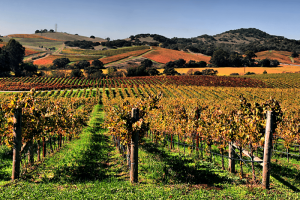
Embark on a journey through Farm-to-table tours, where the connection between consumers and local food sources takes center stage. Delve into the world of fresh produce, sustainability, and culinary delights in this immersive experience.
Discover the essence of farm-to-table practices and the enriching benefits they offer to both individuals and communities alike.
Introduction to Farm-to-Table Tours
Farm-to-table tours offer a unique opportunity for consumers to connect with local food sources by visiting farms, ranches, and other agricultural producers. These tours provide insight into where our food comes from, how it is grown or raised, and the importance of supporting local farmers and producers.
The Importance of Connecting Consumers with Local Food Sources
When consumers participate in farm-to-table tours, they gain a better understanding of the food production process and the hard work that goes into bringing fresh, local products to their table. By supporting local farmers and producers, consumers help strengthen the local economy, reduce their carbon footprint, and promote sustainable agricultural practices.
The Rise in Popularity of Farm-to-Table Experiences
In recent years, farm-to-table experiences have become increasingly popular as consumers seek to know where their food comes from and to support sustainable and ethical food production. This trend reflects a growing interest in healthy eating, environmental conservation, and a desire for transparency in the food industry.
Benefits of Farm-to-Table Tours
Embark on a farm-to-table tour and reap the following benefits:
Locally Sourced Food
When you consume locally sourced food through farm-to-table practices, you are supporting local farmers and businesses. This not only helps the local economy but also ensures that you are getting fresh, high-quality produce.
Environmental Impact
By participating in farm-to-table tours, you are reducing the carbon footprint associated with transporting food long distances. Locally sourced food requires less transportation, resulting in lower greenhouse gas emissions and overall environmental impact.
Health Benefits
Farm-fresh produce is packed with essential nutrients and vitamins that may diminish during long transportation and storage. By eating food directly from the farm, you are maximizing the health benefits of fruits and vegetables, promoting a healthier lifestyle.
Farm-to-Table Tour Experiences
Farm-to-table tours offer a unique and immersive experience for visitors to learn about where their food comes from and how it is produced. These tours typically include a variety of activities that engage all the senses and provide valuable insights into sustainable agriculture practices.
Typical Activities Included in Farm-to-Table Tours
Farm-to-table tours often start with a guided tour of the farm, where visitors can see firsthand how fruits, vegetables, and herbs are grown. This may include learning about different farming techniques, such as organic farming or permaculture. Visitors may also have the opportunity to interact with farm animals, such as cows, chickens, or goats, and observe their role in the food production process.
Hands-On Experiences Visitors May Encounter
During farm-to-table tours, visitors can participate in various hands-on activities, such as harvesting fresh produce, planting seeds, or even milking cows. These experiences allow visitors to connect with the food they eat in a meaningful way and gain a deeper appreciation for the hard work that goes into producing it. For example, visitors may have the chance to make their own butter or cheese, bake bread using freshly milled flour, or learn how to can fruits and vegetables for preservation.
Educational Aspects of Learning About Food Production
One of the key benefits of farm-to-table tours is the educational component they offer. Visitors have the opportunity to learn about the entire food production process, from seed to plate, and gain a better understanding of where their food comes from. This hands-on learning experience can help individuals make more informed choices about the food they eat and support sustainable farming practices.
Additionally, farm-to-table tours often highlight the importance of local food systems and the benefits of consuming fresh, locally sourced ingredients.
Culinary Aspects of Farm-to-Table Tours
When it comes to farm-to-table tours, the culinary experience plays a pivotal role in connecting visitors with the local food scene and highlighting the importance of sustainable and fresh ingredients. Chefs are at the heart of these experiences, bringing their expertise and creativity to the table to showcase the best of what the region has to offer.
Role of Chefs in Farm-to-Table Experiences
One of the key aspects of farm-to-table tours is the collaboration between chefs and local farmers. Chefs work closely with farmers to source the freshest ingredients, often visiting the farms themselves to handpick produce. This direct relationship between the kitchen and the farm ensures that the food served is not only delicious but also supports the local economy and promotes sustainable practices.
Significance of Seasonal Menus in Farm-to-Table Dining
Seasonality is a core principle of farm-to-table dining, with menus changing to reflect the bounties of each season. By using ingredients that are in season, chefs are able to highlight the natural flavors and freshness of the produce. This not only results in more vibrant and flavorful dishes but also reduces the carbon footprint by minimizing the need for long-distance transportation of ingredients.
Creativity in Showcasing Local Ingredients
Chefs participating in farm-to-table tours often showcase their creativity by coming up with innovative ways to highlight local ingredients. From unique flavor pairings to inventive cooking techniques, these culinary professionals strive to create unforgettable dining experiences that celebrate the diversity and quality of local produce. By incorporating these ingredients into their dishes, chefs also help to preserve and promote the culinary heritage of the region.
Sustainability in Farm-to-Table Tourism
When it comes to farm-to-table tourism, sustainability plays a crucial role in ensuring the longevity of the local ecosystem and community. By examining the sustainable practices adopted by farms and restaurants, understanding the impact of supporting local agriculture on the community, and exploring how farm-to-table tours contribute to sustainable tourism, we can gain a deeper appreciation for the interconnectedness of food, environment, and society.
Sustainable Practices Adopted by Farms and Restaurants
Many farms and restaurants that participate in farm-to-table tourism prioritize sustainable practices to minimize their environmental impact. This includes organic farming methods, water conservation techniques, and the use of renewable energy sources. By reducing chemical inputs, conserving resources, and promoting biodiversity, these establishments are working towards a more sustainable future.
Impact of Supporting Local Agriculture on the Community
Supporting local agriculture through farm-to-table tours has a positive ripple effect on the community. By purchasing locally grown produce and supporting small-scale farmers, consumers help boost the local economy, create jobs, and preserve agricultural traditions. Additionally, by reducing food miles and promoting seasonal eating, farm-to-table tourism contributes to lower carbon emissions and a healthier environment.
Contribution of Farm-to-Table Tours to Sustainable Tourism
Farm-to-table tours not only provide educational and culinary experiences for visitors but also contribute to sustainable tourism practices. By connecting tourists with the source of their food, these tours raise awareness about the importance of sustainable agriculture and local food systems. This, in turn, encourages visitors to make informed choices about their food consumption and support businesses that prioritize sustainability.
Comparing Farm-to-Table Tours with Other Travel Experiences

When looking at different travel experiences, it’s interesting to contrast farm-to-table tours with luxury train journeys, identify differences between farm-to-table tours and cycling tours, and discuss the unique aspects of farm-to-table experiences compared to city breaks.
Contrast with Luxury Train Journeys
Luxury train journeys often focus on providing a lavish experience with top-notch amenities and scenic views from the comfort of a train. In contrast, farm-to-table tours offer a more hands-on experience, allowing participants to connect with local farmers, learn about sustainable practices, and enjoy fresh, locally sourced meals directly from the farm.
Differences with Cycling Tours
Cycling tours are known for promoting active travel and exploring destinations on two wheels. While cycling tours offer a great way to stay active and immerse oneself in nature, farm-to-table tours emphasize the culinary aspect of travel, highlighting the journey of food from farm to plate and the importance of supporting local agriculture.
Unique Aspects Compared to City Breaks
City breaks are often centered around exploring urban attractions, dining at restaurants, and experiencing the hustle and bustle of city life. On the other hand, farm-to-table tours provide a more immersive experience in rural settings, allowing travelers to gain a deeper understanding of where their food comes from, participate in farm activities, and savor the flavors of freshly harvested produce.
Future Trends in Farm-to-Table Tourism
Farm-to-table tourism is expected to evolve significantly in the coming years, driven by changing consumer preferences, technological advancements, and a growing interest in sustainable travel experiences. Here are some predictions for the future trends in farm-to-table tourism:
Integration of Virtual Reality and Augmented Reality
With the advancement of technology, farm-to-table tours may incorporate virtual reality (VR) and augmented reality (AR) experiences to enhance visitor engagement. Imagine being able to virtually explore a farm, interact with farmers, and learn about the cultivation process in a more immersive way.
Personalized Experiences through Artificial Intelligence
Artificial intelligence (AI) can be utilized to analyze visitor preferences and behaviors, allowing tour operators to tailor farm-to-table experiences to individual interests. This customization can lead to more meaningful and memorable trips for participants.
Expansion to Remote Destinations
As travelers seek authentic and off-the-beaten-path experiences, farm-to-table tourism is likely to expand to remote destinations. This trend can provide opportunities for sustainable development in rural areas, promoting local agriculture and preserving traditional farming practices.
Focus on Regenerative Agriculture
In response to the growing demand for sustainable practices, farm-to-table tours may increasingly highlight regenerative agriculture methods. Visitors might learn about soil health, biodiversity conservation, and carbon sequestration efforts, fostering a deeper understanding of the environmental impact of food production.
Collaborations with Local Communities
To enrich the farm-to-table experience, tour operators may collaborate closely with local communities, inviting guests to participate in cultural activities, cooking classes, and traditional celebrations. This integration can create a more holistic and authentic travel experience for visitors.
Final Thoughts
As we conclude our exploration of Farm-to-table tours, it’s evident that these experiences not only nourish the body but also the mind and soul. Embrace the farm-fresh goodness and sustainable practices that define this unique culinary adventure.
FAQ Compilation
What makes farm-to-table tours different from regular food tours?
Farm-to-table tours focus on connecting consumers directly with local food sources, emphasizing sustainability and the journey of food from farm to table.
Are farm-to-table tours suitable for vegetarians and vegans?
Absolutely! Farm-to-table tours often cater to various dietary preferences, including vegetarian and vegan options made from fresh, locally sourced ingredients.
How can participating in farm-to-table tours benefit the local community?
By supporting local farms and restaurants, farm-to-table tours help boost the local economy, promote sustainable practices, and strengthen community ties.