Embark on a journey exploring Weekend city breaks in Europe, uncovering the best destinations, tips for a fulfilling experience, and the advantages of short getaways.
Discover the charm of European cities for a quick escape, the ideal duration to make the most of your trip, and how to maximize your time in a new place.
Weekend City Breaks in Europe
Weekend city breaks in Europe offer a perfect opportunity to escape and explore some of the continent’s most charming destinations without taking extended time off work. Whether you’re looking to immerse yourself in history, indulge in culinary delights, or simply relax and unwind, Europe has a plethora of cities to choose from for a short getaway.
Popular European Cities for Weekend Getaways
Some popular European cities known for weekend getaways include:
- Paris, France: Known for its romantic ambiance, iconic landmarks, and world-class cuisine.
- Barcelona, Spain: A vibrant city with stunning architecture, beautiful beaches, and a rich cultural scene.
- Rome, Italy: Home to ancient ruins, charming piazzas, and mouthwatering Italian cuisine.
- Amsterdam, Netherlands: Famous for its picturesque canals, historic museums, and vibrant nightlife.
Benefits of Weekend City Breaks
Weekend city breaks offer several advantages compared to longer vacations:
- Cost-effective: Weekend trips are often more budget-friendly than extended holidays.
- Time-efficient: Perfect for those with limited time off work or busy schedules.
- Easy planning: With a shorter duration, weekend getaways require less planning and logistics.
Ideal Duration for a Weekend City Break
The ideal duration for a weekend city break in Europe is typically 2-3 days. This allows you to explore the city’s highlights, immerse yourself in the local culture, and enjoy a relaxing break without feeling rushed.
Tips for Making the Most of a Short City Break
Here are some tips to make the most of your weekend city break:
- Plan ahead: Research the city’s attractions, restaurants, and events to make the most of your time.
- Pack light: Opt for a small suitcase or backpack to make travel more convenient and hassle-free.
- Prioritize activities: Focus on must-see sights and experiences to avoid feeling overwhelmed.
- Stay centrally: Choose accommodation in the heart of the city to save time on commuting and maximize your exploration.
Spiritual Journeys
Spiritual journeys are trips taken with the intention of seeking inner peace, enlightenment, or a deeper connection to oneself, nature, or a higher power. They often involve visiting sacred sites, practicing meditation or yoga, engaging in self-reflection, and immersing oneself in the local culture and traditions. These journeys can provide individuals with a sense of purpose, clarity, and renewal, allowing them to explore their beliefs, values, and spirituality in a meaningful way.
Popular Spiritual Destinations in Europe
- Camino de Santiago, Spain: Known as the Way of St. James, this pilgrimage route attracts thousands of people each year seeking spiritual growth and self-discovery.
- Glastonbury, United Kingdom: Renowned for its mystical energy and spiritual history, Glastonbury is a popular destination for those interested in alternative healing practices and ancient spirituality.
- Rishikesh, India: While not in Europe, Rishikesh has become a mecca for spiritual seekers from around the world, offering yoga retreats, meditation centers, and a serene environment for inner exploration.
Activities and Practices Associated with Spiritual Journeys
- Visiting sacred sites and temples
- Practicing meditation and mindfulness
- Attending spiritual workshops and retreats
- Connecting with nature through hikes and eco-friendly activities
- Participating in rituals and ceremonies
Benefits of Embarking on a Spiritual Journey
- Enhanced self-awareness and personal growth
- Stress reduction and improved mental health
- Deepened sense of purpose and meaning in life
- Connection to a higher power or spiritual energy
- Opportunity for reflection and introspection
Remote Destinations
When looking for a peaceful getaway in Europe, remote destinations offer a serene and tranquil escape from the hustle and bustle of busy cities. These hidden gems provide a unique opportunity to reconnect with nature, unwind, and rejuvenate the mind and body.
Remote Destinations in Europe
Some of the remote destinations in Europe that are ideal for a peaceful getaway include:
- The Faroe Islands: Located between Iceland and Norway, this archipelago offers stunning landscapes, rugged cliffs, and a peaceful atmosphere.
- Greenland: Known for its vast icebergs, glaciers, and remote villages, Greenland is a perfect destination for those seeking solitude and natural beauty.
- The Scottish Highlands: With its rolling hills, picturesque lochs, and historic castles, the Scottish Highlands provide a peaceful retreat away from the crowds.
Benefits of Remote Destinations
Remote destinations offer a stark contrast to bustling cities, allowing travelers to disconnect from technology, embrace silence, and immerse themselves in the beauty of untouched landscapes. The tranquility and serenity of remote locations can have a calming effect on the mind and body, promoting relaxation and inner peace.
Tips for Traveling to Remote Locations
- Plan ahead and research the destination to understand its remoteness and any necessary preparations.
- Pack essentials such as food, water, navigation tools, and appropriate clothing for the remote environment.
- Inform someone of your travel plans and expected return date when visiting remote destinations for safety purposes.
Unique Experiences in Remote European Destinations
Travelers can engage in a variety of unique experiences in remote European destinations, such as:
- Hiking through untouched wilderness and enjoying breathtaking natural scenery.
- Stargazing under clear night skies away from light pollution, offering a glimpse of the Milky Way and constellations.
- Exploring hidden villages, ancient ruins, and cultural sites that are off the beaten path.
Theme Park Vacations
Theme park vacations offer a fun-filled escape for travelers of all ages, providing a perfect opportunity for thrill-seekers, families, and friends to create lasting memories. Europe boasts a variety of theme parks that cater to different interests and preferences, making it an ideal destination for a weekend getaway.
Popular Theme Parks in Europe
- Disneyland Paris: Known for its iconic attractions, beloved characters, and magical ambiance, Disneyland Paris is a must-visit destination for Disney fans of all ages.
- Europa-Park in Germany: With a mix of thrilling rides, themed areas representing different European countries, and impressive shows, Europa-Park offers a diverse experience for visitors.
- Tivoli Gardens in Denmark: As one of the oldest amusement parks in the world, Tivoli Gardens combines historic charm with modern attractions, making it a charming and enchanting destination.
Comparing and Contrasting Theme Parks in Europe
Each theme park in Europe has its unique offerings and attractions that set it apart from the rest. While Disneyland Paris captures the magic of Disney, Europa-Park showcases a blend of culture and entertainment, and Tivoli Gardens exudes a nostalgic charm that appeals to visitors seeking a more traditional experience.
Tips for Planning a Successful Theme Park Vacation
- Book tickets in advance to skip the queues and save time.
- Check the park’s website for updated information on attractions, shows, and events.
- Plan your itinerary to make the most of your visit and prioritize must-see attractions.
- Consider staying at a hotel within or near the theme park for convenience and easy access.
The Appeal of Theme Park Vacations for Travelers of All Ages
Theme park vacations offer a unique blend of excitement, entertainment, and nostalgia that appeals to travelers of all ages. From adrenaline-pumping rides and immersive attractions to captivating shows and themed experiences, theme parks provide a diverse range of activities that cater to different interests and preferences, making them an ideal choice for a weekend getaway or a longer vacation.
Private Jet Travel
Private jet travel offers the ultimate luxury and convenience for short breaks, allowing travelers to skip the hassles of commercial flights and enjoy a personalized and efficient travel experience. In this section, we will explore the benefits, considerations, and environmental impact of private jet travel, as well as share tips for those looking to book and enjoy a private jet experience.
Luxury and Convenience of Private Jet Travel
- Private jets provide flexibility in terms of departure times, routes, and destinations, allowing travelers to create their own customized travel itineraries.
- Passengers enjoy exclusive amenities and services on board, such as gourmet catering, spacious cabins, and personalized attention from the flight crew.
- Private jets offer privacy and security, making them ideal for high-profile individuals or those seeking a discreet travel experience.
Comparison to Commercial Flights
- Private jet travel saves time by eliminating long security lines, layovers, and boarding procedures commonly associated with commercial flights.
- While commercial flights may offer more affordable options for travel, private jets provide a premium experience tailored to the preferences of the passengers.
- For short weekend getaways, private jet travel can be a time-saving and stress-free alternative to commercial airlines.
Environmental Impact and Mitigation
- Private jet travel has a higher carbon footprint compared to commercial flights due to lower passenger capacity and fuel consumption per traveler.
- To mitigate the environmental impact of private jet travel, some operators offer carbon offset programs that fund environmental projects to counteract the emissions produced during flights.
- Travelers can also opt for newer, more fuel-efficient aircraft and explore alternative modes of transportation for shorter distances to reduce their carbon footprint.
Tips for Booking and Enjoying a Private Jet Experience
- Plan your trip in advance to secure the best availability and pricing for private jet charters.
- Consider joining a private jet membership program or using on-demand charter services for greater flexibility in your travel plans.
- Communicate your preferences and special requests to the charter company to ensure a personalized and seamless travel experience.
Luxury Train Journeys
Luxury train journeys in Europe offer a unique and opulent way to experience the beauty of the continent. From scenic routes to luxurious accommodations, these train journeys cater to travelers seeking a more refined and relaxing travel experience.
Luxury Train Routes in Europe
When it comes to luxury train journeys in Europe, the Venice Simplon-Orient-Express stands out as one of the most iconic and luxurious options. This train takes passengers on a journey through some of Europe’s most stunning landscapes, including the Swiss Alps and the Italian countryside. The Belmond Royal Scotsman is another popular choice, offering a luxurious way to explore the Scottish Highlands.
Unique Charm of Luxury Train Travel
Luxury train travel provides a sense of nostalgia and glamour, harkening back to a bygone era of travel. Passengers can relax in beautifully appointed cabins, enjoy gourmet meals in elegant dining cars, and take in breathtaking views from the observation car. The personalized service and attention to detail on luxury trains add to the overall charm of the experience.
Cost Comparison with Other Modes of Transportation
While luxury train journeys may come with a higher price tag compared to other modes of transportation, the experience is often considered well worth the cost. The all-inclusive nature of luxury train travel, which includes meals, accommodations, and excursions, can make it a cost-effective option for those looking to indulge in a luxurious getaway.
Recommendations for Luxury Train Journeys
For travelers seeking a romantic escape, the Blue Train in South Africa offers a luxurious journey through stunning landscapes. The Maharajas’ Express in India is perfect for those looking to explore the rich cultural heritage of the country in style. The Rocky Mountaineer in Canada provides a luxurious way to experience the breathtaking scenery of the Canadian Rockies.
Agricultural Tourism
Agricultural tourism, also known as agritourism, involves travel to rural areas to experience agricultural activities, farm life, and local food production. This form of tourism appeals to travelers seeking authentic experiences, a deeper connection to nature, and a break from urban life.
Popular Agricultural Tourism Destinations in Europe
Europe offers a variety of agricultural tourism destinations that showcase different aspects of rural life and farming practices. Some popular destinations include:
- Tuscany, Italy: Known for its vineyards, olive groves, and agriturismos offering farm stays and culinary experiences.
- Provence, France: Famous for lavender fields, vineyards, and charming countryside villages.
- Alentejo, Portugal: A region known for cork production, vineyards, and traditional agriculture practices.
Activities and Experiences on Agricultural Tours
- Visiting local farms to learn about organic farming practices and interact with animals.
- Participating in harvesting activities such as picking fruits, vegetables, or grapes.
- Taking cooking classes using fresh, locally sourced ingredients.
- Exploring farmers’ markets and tasting regional produce like cheese, wine, and olive oil.
The Benefits of Promoting Sustainable Agricultural Tourism
- Preservation of rural traditions and cultural heritage.
- Support for local farmers, small businesses, and rural communities.
- Promotion of environmental sustainability through organic farming practices and conservation efforts.
- Education and awareness about the importance of agriculture and food production.
Cycling Tours
Cycling tours in Europe offer a unique way to explore the stunning landscapes, charming villages, and cultural treasures of the continent. Whether you are a seasoned cyclist or a beginner, there are scenic routes suitable for all levels of experience.
Scenic Cycling Routes in Europe
- The Danube Cycle Path: Stretching from Germany to Hungary, this route follows the majestic Danube River, passing through picturesque towns, vineyards, and historic castles.
- Provence, France: Explore the lavender fields, vineyards, and quaint villages of Provence while enjoying the Mediterranean climate and stunning views of the countryside.
- Amsterdam to Bruges: Cycle through the flat landscapes of the Netherlands and Belgium, discovering windmills, tulip fields, and charming canals along the way.
Health and Wellness Benefits of Cycling Tours
- Cycling is a fantastic way to stay active and improve cardiovascular fitness, muscle strength, and flexibility.
- Being outdoors and immersed in nature during a cycling tour can reduce stress levels and improve mental well-being.
- Exploring new destinations on two wheels promotes a sense of adventure and exploration, contributing to overall happiness and fulfillment.
Essential Tips for Planning a Cycling Tour in Europe
- Choose a route that suits your fitness level and interests, considering factors like terrain, distance, and elevation.
- Pack light but essential items such as a helmet, repair kit, water bottle, sunscreen, and comfortable cycling gear.
- Research accommodations, bike rentals, and local attractions in advance to ensure a smooth and enjoyable experience.
Cultural and Natural Attractions Along the Way
- Visit medieval castles, vineyards, and local markets while cycling through the picturesque countryside of Europe.
- Experience the rich history and traditions of each region, sampling local cuisine and interacting with friendly locals along the way.
- Discover hidden gems off the beaten path, including charming villages, scenic overlooks, and natural wonders waiting to be explored.
Wine and Vineyard Tours
Exploring the world of wine through vineyard tours can be a delightful weekend activity for wine enthusiasts and travelers looking to immerse themselves in the rich history and culture of winemaking.
Regions Famous for Wine Production
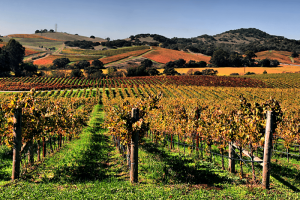
When it comes to wine production and vineyard tours, Europe boasts some of the most renowned regions in the world. From the rolling vineyards of Bordeaux in France to the picturesque landscapes of Tuscany in Italy, each region offers a unique charm and a distinct wine-tasting experience.
- Bordeaux, France: Known for its prestigious chateaux and world-class red wines, Bordeaux is a must-visit destination for wine lovers.
- Tuscany, Italy: Home to iconic vineyards producing Chianti and Brunello wines, Tuscany offers a blend of breathtaking scenery and exceptional wines.
- Rioja, Spain: Renowned for its bold red wines, Rioja is a region steeped in tradition and a rich winemaking heritage.
Wine-Tasting Experiences and Cultural Insights
Embarking on a wine and vineyard tour provides not only an opportunity to sample a variety of wines but also a chance to learn about the winemaking process, from grape cultivation to fermentation. Visitors can gain insights into the unique terroir of each region, the history of wine production, and the cultural significance of wine in the local community.
Immerse yourself in the sights, smells, and tastes of the vineyards as you engage with winemakers and sommeliers to deepen your understanding and appreciation of wine.
Tips for Planning a Wine and Vineyard Tour
- Research the regions and wineries in advance to tailor your tour based on your wine preferences.
- Consider booking guided tours or wine-tasting experiences to enhance your visit and gain insider knowledge.
- Check the opening hours and availability of tours at vineyards to plan your itinerary efficiently.
- Don’t forget to designate a driver or arrange transportation to ensure a safe and enjoyable experience.
Heritage Tourism
Heritage tourism plays a vital role in preserving cultural legacies by attracting visitors to historical sites, museums, and landmarks that showcase a region’s unique heritage. This form of tourism not only helps in the conservation of historical sites but also contributes to the local economy by generating revenue through tourism activities.
European Cities with Rich Heritage Sites
- Paris, France: Known for iconic landmarks such as the Eiffel Tower, Louvre Museum, and Notre-Dame Cathedral.
- Rome, Italy: Home to ancient ruins like the Colosseum, Roman Forum, and Pantheon.
- Barcelona, Spain: Famous for the architectural works of Antoni Gaudí, including Sagrada Familia and Park Güell.
- Prague, Czech Republic: Boasts a well-preserved medieval old town, Prague Castle, and Charles Bridge.
Importance of Heritage Tourism in Promoting Cultural Understanding
Heritage tourism plays a crucial role in promoting cultural understanding by allowing visitors to immerse themselves in the history, traditions, and customs of a particular region. Through interactions with local communities and exploration of historical sites, tourists gain a deeper appreciation for different cultures, fostering respect and tolerance across borders.
Significance of Heritage Preservation for Future Generations
Heritage preservation is essential for future generations as it ensures that cultural landmarks and traditions are safeguarded for posterity. By protecting historical sites and artifacts, we can pass down our rich heritage to future generations, enabling them to learn from the past and appreciate the cultural diversity that defines our world.
City Breaks
City breaks offer a unique way to explore the vibrant culture and history of European cities, all within a short weekend getaway. Unlike other types of vacations, city breaks focus on immersing travelers in the urban lifestyle, providing a mix of cultural, historical, and culinary experiences in a condensed timeframe.
Choosing the Right European City
When selecting a European city for a weekend break, consider factors such as proximity, transportation options, attractions of interest, and the overall vibe of the city. Opt for cities that offer a good balance of sightseeing opportunities, dining experiences, and cultural activities to make the most of your short stay.
- Research the city’s top attractions and landmarks in advance to prioritize your must-see locations.
- Consider the local cuisine and dining scene to sample traditional dishes and explore culinary delights.
- Look into the city’s historical significance and cultural events to gain a deeper understanding of its heritage.
- Check for any special events or festivals happening during your visit to enhance your overall experience.
Cultural, Historical, and Culinary Experiences
City breaks offer a rich tapestry of cultural, historical, and culinary experiences, allowing travelers to delve into the heart of a city’s essence in a short amount of time. From exploring iconic landmarks and museums to tasting local delicacies and participating in cultural activities, city breaks provide a well-rounded immersion into the destination.
- Visit historical sites, such as cathedrals, palaces, and museums, to learn about the city’s past and heritage.
- Explore local markets, food tours, and restaurants to savor authentic cuisine and flavors unique to the city.
- Attend cultural events, performances, and festivals to witness the vibrant arts and traditions of the city.
- Engage with locals, artisans, and tour guides to gain insights into the city’s culture and way of life.
Impact on Local Economies and Tourism Development
City breaks play a significant role in boosting local economies and driving tourism development in European cities. By attracting visitors for short stays, cities can benefit from increased spending on accommodations, dining, shopping, and entertainment, leading to economic growth and job creation in the tourism sector.
- Hotels, restaurants, and businesses catering to tourists experience a surge in demand during peak travel seasons for city breaks.
- Local artisans, vendors, and tour operators contribute to the cultural and economic landscape of the city through tourism activities.
- City governments invest in infrastructure, preservation efforts, and promotional campaigns to attract more visitors for city breaks.
- Sustainable tourism practices and responsible travel initiatives are encouraged to ensure the long-term viability of city breaks and minimize negative impacts on the environment and local communities.
Final Summary
Concluding our discussion on Weekend city breaks in Europe, remember to pack light, embrace the local culture, and savor every moment in these vibrant cities for an unforgettable experience.
Commonly Asked Questions
What are the benefits of choosing a weekend city break over a longer vacation?
Weekend city breaks offer a quick escape, allow for exploring new destinations without taking extensive time off work, and are often more budget-friendly compared to longer trips.
How can I make the most of a short city break in Europe?
To make the most of a short city break in Europe, plan your itinerary wisely, prioritize must-see attractions, immerse yourself in the local culture, and savor the unique experiences each city has to offer.
What are some popular European cities known for weekend getaways?
Popular European cities for weekend getaways include Paris, Rome, Barcelona, Amsterdam, and Prague, each offering a mix of culture, history, and vibrant city life perfect for short trips.