Step back in time and immerse yourself in the wonders of historical monuments tours. From ancient ruins to iconic landmarks, these tours offer a glimpse into the past like never before.
Discover the secrets behind each monument, unraveling stories of civilizations long gone and the cultural heritage they left behind.
Historical Monuments Tours
Historical monuments play a significant role in tourism by attracting visitors from all around the world who are eager to learn about the past, culture, and heritage of a place. These monuments serve as a physical connection to history and provide insights into the traditions and stories of a particular region.
Popular Historical Monuments Around the World
Some of the most popular historical monuments around the world include:
- The Great Wall of China – a symbol of Chinese civilization and one of the most impressive architectural feats in history.
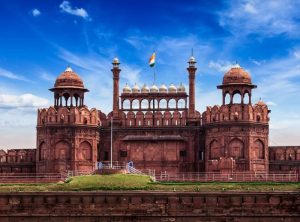
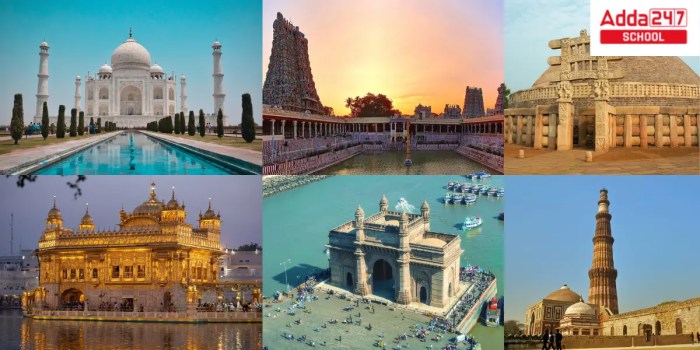
- The Taj Mahal in India – a UNESCO World Heritage Site known for its stunning architecture and romantic history.
- The Colosseum in Rome, Italy – an iconic symbol of ancient Rome and a marvel of engineering.
- The Pyramids of Giza in Egypt – one of the Seven Wonders of the Ancient World, showcasing the grandeur of ancient Egyptian civilization.
How Historical Monuments Preserve Cultural Heritage
Historical monuments serve as tangible representations of a culture’s past, helping to preserve traditions, customs, and knowledge for future generations. By safeguarding these sites, we ensure that the stories and achievements of our ancestors are not lost to time.
Guided Tours vs. Self-Guided Tours of Historical Monuments
Guided tours provide in-depth knowledge and context from knowledgeable experts, offering a deeper understanding of the significance of historical monuments. On the other hand, self-guided tours allow visitors to explore at their own pace and focus on specific areas of interest. Both options have their merits, depending on the preferences and interests of the visitors.
Spiritual Journeys
Spiritual journeys have a unique appeal for travelers seeking inner peace, enlightenment, or a deeper connection to their beliefs. These journeys often involve visiting sacred sites, performing rituals, and engaging in meditation practices to nourish the soul and find spiritual fulfillment.
Famous Spiritual Destinations Worldwide
- Varanasi, India: Known as the spiritual capital of India, Varanasi is a sacred city for Hindus where pilgrims come to bathe in the Ganges River and perform funeral rites.
- Mecca, Saudi Arabia: A holy city for Muslims, Mecca is the birthplace of Prophet Muhammad and the site of the Kaaba, the most sacred site in Islam.
- Jerusalem, Israel: A significant city for Christians, Jews, and Muslims, Jerusalem is home to religious sites like the Western Wall, the Church of the Holy Sepulchre, and the Dome of the Rock.
Cultural Importance of Spiritual Sites
Spiritual sites hold immense cultural significance as they are often tied to historical events, religious beliefs, and traditions passed down through generations. These sites serve as focal points for communal worship, pilgrimage, and spiritual practices that are integral to the cultural identity of a community or faith.
Benefits of Incorporating Spiritual Elements into Travel Experiences
- Inner Peace: Spiritual journeys can provide a sense of inner peace, clarity, and mindfulness through meditation, prayer, and reflection.
- Personal Growth: Engaging with different spiritual practices and beliefs can broaden one’s perspective, foster empathy, and promote personal growth.
- Cultural Understanding: By visiting spiritual sites, travelers can gain a deeper understanding of diverse cultures, religions, and traditions, fostering tolerance and respect for others.
Remote Destinations
When it comes to travel, remote destinations hold a special allure for tourists seeking unique and off-the-beaten-path experiences. These locations often offer untouched natural beauty, rich cultural heritage, and a sense of adventure that cannot be found in more mainstream tourist spots.Travelers may face various challenges when visiting remote locations, such as limited infrastructure, lack of amenities, language barriers, and difficult access.
However, these challenges can also add to the appeal of the destination, providing an opportunity for a more authentic and immersive travel experience.One unique experience in a remote area could be staying in a traditional village and participating in local customs and rituals. This kind of cultural exchange can be incredibly rewarding and give travelers a deeper understanding of the local way of life.The impact of tourism on remote communities and ecosystems is a complex issue.
While tourism can bring economic opportunities and help preserve cultural traditions, it can also lead to environmental degradation, loss of authenticity, and social disruption. It is essential for travelers to be mindful of their impact and strive to support sustainable practices when visiting remote destinations.
Theme Park Vacations
Theme parks have evolved over the years to become popular tourist attractions around the world. These entertainment complexes offer a wide range of attractions, rides, shows, and themed areas that cater to visitors of all ages.
Types of Theme Parks
- Amusement Parks: These parks focus on thrill rides, roller coasters, and other high-energy attractions designed to get the adrenaline pumping.
- Water Parks: Water parks feature water slides, lazy rivers, wave pools, and other aquatic attractions perfect for cooling off on a hot day.
- Adventure Parks: These parks offer a mix of rides, shows, and interactive experiences that often have a specific theme or storyline.
Themed Entertainment and Tourism
Themed entertainment plays a significant role in the success of theme parks as tourist destinations. By creating immersive environments based on popular franchises, historical eras, or fantasy worlds, theme parks offer visitors a chance to escape reality and step into a different world.
Tips for Planning a Theme Park Vacation
- Research the parks: Look into the attractions, shows, dining options, and special events at each park to plan your itinerary.
- Buy tickets in advance: Save time and money by purchasing tickets online before your visit.
- Arrive early: Beat the crowds and make the most of your day by arriving when the park opens.
- Stay hydrated and wear comfortable shoes: Theme parks involve a lot of walking, so be prepared with water and supportive footwear.
- Take breaks: Pace yourself throughout the day to avoid burnout and make the most of your theme park experience.
Private Jet Travel
Private jet travel holds a special allure for luxury tourists seeking exclusivity, privacy, and personalized service throughout their journey. The appeal lies in the convenience of avoiding crowded airports and long security lines, as well as the flexibility to customize flight schedules and destinations according to individual preferences.
Environmental Impact
While private jet travel offers convenience and luxury, it also comes with a significant environmental impact due to higher fuel consumption per passenger compared to commercial airlines. The carbon footprint of private jets is much larger, contributing to air pollution and greenhouse gas emissions. This aspect raises concerns among environmentally conscious travelers and advocates for sustainable travel practices.
Experience Comparison
Flying on a private jet provides a luxurious and comfortable experience, with spacious cabins, personalized service, gourmet dining options, and the ability to travel with a select group of companions. In contrast, commercial airlines offer a more standardized experience with limited privacy, crowded cabins, and fixed departure schedules. The choice between the two largely depends on individual preferences, budget considerations, and the importance of convenience and exclusivity.
Cost and Logistics
Private jet travel is undeniably expensive, with costs varying based on factors such as aircraft type, flight distance, and additional services requested. The price of chartering a private jet can range from tens of thousands to hundreds of thousands of dollars per flight. In terms of logistics, travelers need to consider booking arrangements, flight planning, ground transportation, and other logistical details to ensure a seamless travel experience.
Luxury Train Journeys
Luxury train journeys offer a unique and opulent way to travel, combining the charm of old-world train travel with modern luxury amenities. The allure of luxury train travel lies in the elegant cabins, fine dining experiences, and scenic routes that provide a luxurious and relaxing journey for tourists.
Famous Luxury Train Journeys Around the World
- The Orient Express: Known for its historic route between Paris and Istanbul, the Orient Express offers a luxurious and iconic travel experience.
- The Blue Train, South Africa: Traveling between Pretoria and Cape Town, the Blue Train provides a lavish journey through the stunning landscapes of South Africa.
- The Maharajas’ Express, India: Offering a royal experience through various routes in India, the Maharajas’ Express is known for its luxurious cabins and impeccable service.
Historical Significance of Train Travel in Tourism
Train travel has played a crucial role in the development of tourism, providing a convenient and comfortable way for travelers to explore new destinations. The invention of luxury trains in the 19th century revolutionized travel, making long-distance journeys more accessible and enjoyable for tourists.
Tips for Planning a Luxury Train Journey
- Research different luxury train options and itineraries to find the journey that best suits your preferences.
- Book your tickets well in advance, as luxury train journeys often have limited availability.
- Pack smartly, keeping in mind the dress code for dining cars and any specific requirements for the journey.
- Take the time to enjoy the onboard amenities and activities, such as fine dining, scenic observation cars, and cultural performances.
Agricultural Tourism
Agricultural tourism, also known as agritourism, is a type of tourism that involves visiting working farms, ranches, vineyards, and other agricultural operations for the purpose of leisure, education, or active participation in farm activities. This form of tourism has been gaining popularity in recent years as more people seek authentic and unique travel experiences that connect them with nature, local culture, and sustainable practices.
Benefits of Agritourism for Local Communities
- Agritourism provides farmers with an additional source of income, helping to support and sustain rural economies.
- It promotes the preservation of traditional farming practices and local heritage, contributing to the conservation of rural landscapes.
- Agritourism creates opportunities for community engagement and cultural exchange between visitors and local residents, fostering understanding and appreciation of agricultural life.
Types of Agricultural Tourism Experiences
- Farm Stays: Visitors can stay overnight on a farm, participating in daily farm activities and experiencing rural life firsthand.
- Harvest Tours: Guests can join in harvesting crops, fruits, or vegetables during the appropriate season, learning about the farming process along the way.
- Wine Tasting and Vineyard Tours: Wine enthusiasts can visit vineyards, taste local wines, and learn about the winemaking process from grape to bottle.
Destinations Known for Agricultural Tourism
- Tuscany, Italy: Known for its picturesque vineyards, olive groves, and agriturismo farm stays offering organic produce and local cuisine.
- Napa Valley, California: Famous for its world-class wineries, wine tasting tours, and scenic vineyard landscapes.
- Alentejo, Portugal: Offers olive oil tastings, cork farm visits, and traditional agricultural experiences in a serene countryside setting.
Cycling Tours
Exploring new destinations on two wheels can be an exhilarating experience for adventure seekers. Cycling tours offer a unique way to immerse yourself in the local culture, landscapes, and communities.
Planning a Cycling Tour
When planning a cycling tour, it’s essential to consider factors such as the route, duration, level of difficulty, and equipment needed. Make sure to research the destination, pack appropriate gear, and plan your itinerary in advance.
Health and Environmental Benefits
- Cycling tours provide a great workout, helping to improve cardiovascular health, strength, and endurance.
- By opting for a cycling tour instead of traditional modes of transportation, you can reduce your carbon footprint and contribute to environmental conservation.
- Enjoying the fresh air and scenic views while cycling can also have positive effects on mental well-being and stress reduction.
Popular Cycling Tour Routes and Destinations
- The Camino de Santiago in Spain is a famous pilgrimage route that attracts cyclists from around the world.
- The Danube Cycle Path in Europe offers stunning views of the river and passes through picturesque villages and historic sites.
- In Asia, the Mae Hong Son Loop in Thailand is a popular choice for cyclists looking to explore the country’s northern region.
Wine and Vineyard Tours
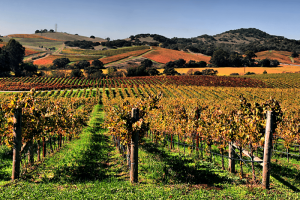
Embark on a delightful journey through picturesque vineyards and experience the rich tradition of winemaking with wine and vineyard tours. Discover the art of wine tasting and explore famous wine regions around the world.
Experience of Wine and Vineyard Tours
Wine and vineyard tours offer a unique opportunity to immerse yourself in the beauty of vineyards, learn about the winemaking process, and taste a variety of exquisite wines. Visitors can enjoy guided tours of vineyards, cellar visits, and wine tasting sessions led by knowledgeable sommeliers.
Cultural Significance of Wine Tourism
Wine tourism plays a significant role in preserving cultural heritage and promoting local traditions. It provides a platform for visitors to engage with the history and culture of winemaking regions, fostering appreciation for the art of viticulture and enology.
Tips for Wine Tasting and Vineyard Visits
- Swirl the wine in your glass to release its aromas before tasting.
- Take small sips and allow the flavors to linger on your palate.
- Ask questions and engage with winemakers to enhance your tasting experience.
- Respect the vineyard’s rules and regulations during your visit.
Famous Wine Regions and Vineyards Worldwide
| Region | Famous Vineyards |
|---|---|
| Bordeaux, France | Château Margaux, Château Lafite Rothschild |
| Tuscany, Italy | Castello di Ama, Antinori |
| Napa Valley, USA | Opus One, Robert Mondavi Winery |
Heritage Tourism
Heritage tourism involves traveling to places that hold historical, cultural, or natural significance to learn about the past and immerse oneself in the local heritage. It plays a crucial role in preserving history and ensuring that future generations can appreciate and understand their roots.
Importance of Heritage Tourism
- Preservation of historical sites and monuments
- Promotion of cultural exchange and understanding
- Boosting local economies through tourism revenue
- Encouraging pride and appreciation for local heritage
Impact on Local Economies
Heritage tourism can have a significant positive impact on local economies by attracting visitors, creating job opportunities, and stimulating economic growth in the region. The revenue generated from tourism activities can be reinvested into the preservation and maintenance of heritage sites, benefiting both the local community and tourists.
Successful Heritage Tourism Initiatives
- The UNESCO World Heritage Sites program, which recognizes and preserves culturally and historically significant landmarks worldwide
- The restoration and promotion of historical buildings and landmarks in cities like Prague, Venice, and Kyoto
- The development of heritage trails and tours that educate visitors about the local history and traditions
Challenges of Balancing Tourism and Heritage Conservation
- Overtourism leading to overcrowding and damage to fragile heritage sites
- The need to find a balance between commercialization and preservation of heritage sites
- Ensuring that local communities benefit from tourism without compromising the authenticity of the heritage experience
City Breaks
City breaks have become a popular travel trend in recent years, offering travelers the opportunity to explore a new city in a short amount of time. Unlike traditional vacations that may last a week or more, city breaks typically last only a few days, making them perfect for those looking to experience the highlights of a destination without a long-term commitment.
Comparison with Traditional Vacations
City breaks differ from traditional vacations in terms of duration and focus. While traditional vacations often involve relaxation and leisure activities over an extended period, city breaks are more fast-paced and focused on exploring the culture, history, and attractions of a specific city in a short amount of time.
Tips for Planning a Successful City Break Trip
- Research the city’s top attractions and create a flexible itinerary.
- Choose accommodations in a central location to maximize your time.
- Take advantage of public transportation or walking to explore the city efficiently.
- Try local cuisine and immerse yourself in the city’s food scene.
- Pack light and prepare for varying weather conditions.
Popular Cities for City Break Tourism
| City | Highlights |
|---|---|
| Paris, France | Eiffel Tower, Louvre Museum, Champs-Élysées |
| Barcelona, Spain | Sagrada Familia, Park Güell, Gothic Quarter |
| Rome, Italy | Colosseum, Vatican City, Trevi Fountain |
Closing Summary
As you wrap up your historical monuments tour, take with you not just memories but a deeper appreciation for the history that shapes our world today. Uncover the treasures of the past and let them guide your journey into the future.
FAQ Explained
Are historical monuments tours suitable for all ages?
Yes, historical monuments tours can be enjoyed by people of all ages. However, some sites may have restrictions or require physical exertion.
Do historical monuments tours usually include guided commentary?
Most historical monuments tours offer guided commentary to provide insights into the significance and history of each site.
Are historical monuments tours wheelchair accessible?
Accessibility varies by location, but many historical monuments now have facilities to accommodate visitors with mobility challenges.