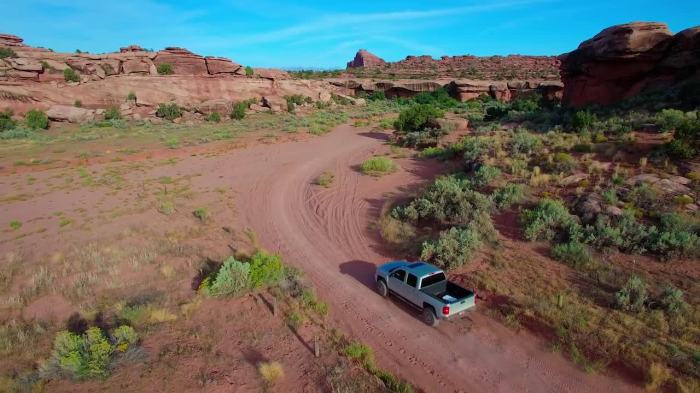
Embark on a thrilling adventure through remote deserts, where spirituality meets rugged beauty and unique experiences await at every turn.
Discover the allure of exploring remote deserts and the challenges that come with it, as we delve into a world of vast landscapes and hidden treasures.
Spiritual Journeys
Embarking on a journey through remote deserts can hold profound spiritual significance for many individuals. The vast expanses of sand and sky can evoke a sense of awe, humility, and connection to something greater than oneself.
Rituals and Practices
In the solitude of the desert, people may engage in various rituals and practices to deepen their spiritual experience. This could include meditation sessions at sunrise or sunset, walking meditations across the desert landscape, or simply sitting in silence to reflect and connect with the surrounding environment.
Impact of Vastness and Solitude
The vastness and solitude of remote deserts can have a transformative effect on one’s spiritual journey. The empty expanse can strip away distractions and allow individuals to confront their innermost thoughts and emotions. This sense of isolation can lead to profound moments of introspection, clarity, and spiritual growth.
Remote Destinations
Visiting remote deserts offers a unique and unforgettable experience compared to popular tourist destinations. The allure lies in the untouched landscapes, the sense of isolation, and the opportunity to truly disconnect from the hustle and bustle of everyday life.
Unique Flora and Fauna
Remote desert locations are home to a variety of unique flora and fauna that have adapted to the harsh conditions of these environments. From the iconic saguaro cacti in the Sonoran Desert to the elusive desert foxes of the Sahara, each desert has its own diverse ecosystem waiting to be explored.
- The Joshua Tree in the Mojave Desert is a striking plant known for its twisted branches and sharp leaves. It provides shelter and food for a variety of desert animals.
- The Fennec Fox, found in the Sahara Desert, is known for its large ears that help dissipate heat. This adorable creature is perfectly adapted to life in the desert.
- The Gila Monster, a venomous lizard found in the Sonoran Desert, is a fascinating creature with a unique appearance and behavior.
Challenges and Rewards
Traveling to remote desert destinations comes with its own set of challenges and rewards. The harsh climate, lack of amenities, and rugged terrain can make these trips physically demanding. However, the sense of accomplishment, the stunning landscapes, and the opportunity for introspection and self-discovery make the journey worth it.
- Challenges such as extreme temperatures, limited water sources, and navigation difficulties require careful planning and preparation.
- Rewards include the chance to witness breathtaking sunsets, stargazing under clear skies, and the feeling of being completely immersed in nature.
- Meeting local communities and learning about their traditions and way of life can also be a rewarding aspect of traveling to remote desert destinations.
Theme Park Vacations
Theme park vacations offer a different kind of excitement and entertainment compared to exploring remote deserts. While theme parks provide thrilling rides, shows, and attractions, remote deserts offer a rugged and untouched natural beauty waiting to be discovered.
Contrasting Experiences
Theme park vacations are characterized by the fast-paced and highly curated experiences they offer. Visitors can enjoy a variety of rides, meet beloved characters, and immerse themselves in themed environments designed for entertainment. On the other hand, exploring remote deserts involves a slower pace, where travelers can connect with nature, marvel at vast landscapes, and experience a sense of solitude and tranquility.
Appeal of Adventure in Deserts
- Opportunity for exploration and discovery
- Connection with nature and the environment
- Sense of freedom and adventure
- Challenging experiences that test personal limits
New Thrills for Theme Park Enthusiasts
For those who are used to the excitement of theme park rides and attractions, exploring remote deserts can offer a whole new kind of thrill. The unpredictability of nature, the vastness of the desert landscape, and the sense of adventure that comes with exploring unknown territories can provide a unique and exhilarating experience for theme park enthusiasts looking to try something different.
Private Jet Travel
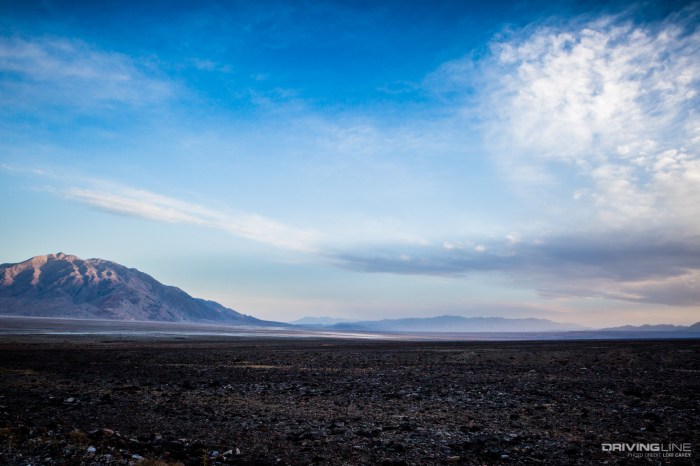
Private jet travel offers a level of luxury and convenience that is unparalleled when exploring remote deserts. The exclusivity of flying on a private jet allows for a personalized travel experience, with the ability to customize the itinerary and travel schedule according to your preferences.
Luxury and Convenience
- Private jets provide a direct flight to remote desert destinations without the need for layovers or connecting flights, saving valuable time and eliminating the hassle of navigating through crowded airports.
- Passengers on private jets have access to luxurious amenities, comfortable seating arrangements, and personalized service from the flight crew, creating a truly indulgent travel experience.
- The flexibility of private jet travel allows for spontaneous trips and last-minute changes to the travel plans, catering to the needs and preferences of the passengers.
Environmental Impact
- While private jet travel offers luxury and convenience, it also comes with a significant environmental impact due to high fuel consumption and carbon emissions.
- The carbon footprint of private jets is much larger compared to commercial flights, contributing to air pollution and climate change, especially when flying long distances to remote desert destinations.
- Efforts are being made to reduce the environmental impact of private jet travel through advancements in technology and sustainable aviation practices, but the impact remains a concern for environmentally-conscious travelers.
Comparison to Commercial Flights
- Flying on a private jet to remote deserts offers a more personalized and exclusive travel experience compared to commercial flights, where passengers have to adhere to fixed schedules and shared spaces.
- Private jet travel allows for greater privacy, comfort, and flexibility during the journey, making it a preferred choice for those seeking a premium travel experience to remote desert destinations.
- However, the environmental impact and cost of private jet travel must be considered when comparing it to commercial flights, as sustainability and accessibility are important factors to weigh in the decision-making process.
Luxury Train Journeys
Luxury train journeys offer a unique and opulent way to explore remote desert landscapes. Imagine traveling through vast, arid terrains in the comfort of a luxurious train with top-notch amenities and services.
Crossing Remote Deserts in Style
Embarking on a luxury train journey through remote deserts provides a serene and leisurely way to admire the stunning landscapes. Unlike other modes of transportation, such as cars or buses, train travel allows passengers to sit back, relax, and enjoy the ever-changing scenery at a leisurely pace. The gentle rocking motion of the train adds to the overall experience, creating a sense of tranquility and luxury.
Amenities and Services
When embarking on a luxury train journey through remote deserts, passengers can expect a range of lavish amenities and top-notch services. From spacious and elegantly designed cabins to gourmet dining experiences, luxury trains spare no expense in ensuring a comfortable and indulgent journey. Imagine savoring fine dining meals while gazing out at the endless desert vistas, or unwinding in a luxurious lounge car with a glass of champagne in hand.
Additionally, attentive staff members are always on hand to cater to passengers’ needs, ensuring a seamless and unforgettable travel experience.
Agricultural Tourism
Exploring agricultural practices in remote desert regions can provide a unique insight into the challenges and innovations in sustaining farming activities in arid environments.
Agricultural Practices in Remote Deserts
When visiting remote desert regions for agricultural tourism, visitors can witness firsthand the innovative techniques used by local farmers to cultivate crops in challenging conditions. From drip irrigation systems to desert farming methods, these practices showcase the resilience and adaptability of agricultural communities in arid areas.
Sustainability in Arid Environments
Engaging in agricultural tourism in remote deserts allows visitors to learn about the importance of sustainable farming practices in conserving water resources and preserving the fragile ecosystem. By understanding the balance between agriculture and environmental conservation, tourists can appreciate the efforts made to promote long-term sustainability in arid regions.
Engagement in Agricultural Activities
During desert tours focused on agriculture, visitors have the opportunity to participate in hands-on activities such as planting seeds, harvesting crops, and tending to livestock. This interactive experience not only provides a deeper understanding of the agricultural process but also fosters a connection with the local community and their way of life.
Cycling Tours
Exploring remote deserts on a cycling tour offers a unique opportunity to immerse oneself in the stunning landscapes while reaping the physical and mental benefits of outdoor exercise. The tranquil surroundings of the desert provide a serene backdrop for an adventurous cycling journey.
Physical and Mental Benefits of Cycling in Remote Deserts
Embarking on a cycling tour through remote deserts not only provides a great workout for your body but also offers mental clarity and rejuvenation. The physical exertion of pedaling through challenging terrains helps strengthen muscles, improve cardiovascular fitness, and boost overall health.
Moreover, the peaceful and uninterrupted environment of the desert allows cyclists to clear their minds, reduce stress levels, and connect with nature on a deeper level. The solitude and vastness of the desert landscape create a meditative experience that can enhance mental well-being and promote mindfulness.
Safety Tips for Cyclists Venturing into Remote Desert Areas
- Always carry sufficient water and stay hydrated to prevent dehydration in the arid desert climate.
- Wear appropriate sun protection, including sunscreen, sunglasses, and a hat, to shield yourself from the intense desert sun.
- Inform someone about your cycling route and expected return time to ensure safety in case of emergencies.
- Carry essential tools and spare parts for bike repair, as remote desert areas may lack access to repair shops.
- Stay alert for wildlife and watch out for potential hazards like sharp rocks or thorns on the desert trails.
Appeal of Cycling Tours through Deserts for Adventure Enthusiasts
For adventure enthusiasts, a cycling tour through remote deserts offers a thrilling and challenging experience that pushes physical limits and tests endurance. The rugged terrain, ever-changing landscapes, and sense of exploration create an exhilarating adventure that is unmatched in traditional cycling routes.
The opportunity to discover hidden gems, witness breathtaking sunsets, and camp under the starry desert skies adds an element of excitement and wonder to the cycling tour. Adventure seekers are drawn to the thrill of conquering the desert wilderness on two wheels, making it a truly unforgettable journey.
Wine and Vineyard Tours
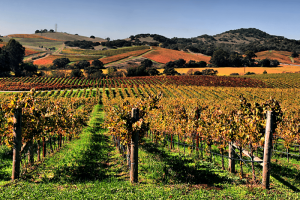
Vineyard tours in remote desert regions have been gaining popularity among wine enthusiasts seeking unique experiences off the beaten path. These tours offer a chance to explore the uncharted terroir of desert vineyards and taste wines with distinctive characteristics shaped by the harsh desert climate.
Unique Flavors of Desert Wines
Wines produced in desert climates have a unique flavor profile that sets them apart from wines grown in more traditional regions. The extreme temperatures, high altitude, and limited water supply in desert vineyards contribute to the grapes’ intense flavors and concentrated sugars. This results in wines that are bold, full-bodied, and rich in complexity.
Appreciating Terroir in Remote Desert Vineyards
Wine enthusiasts visiting remote desert vineyards have the opportunity to truly appreciate the concept of terroir – the influence of the environment on the grapes and the resulting wine. By tasting wines directly from the source, enthusiasts can understand how the desert soil, climate, and unique growing conditions contribute to the wine’s characteristics. This firsthand experience allows for a deeper connection to the land and the winemaking process.
Heritage Tourism
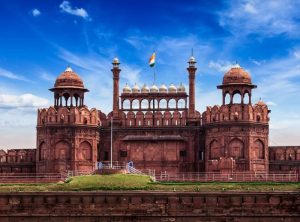
Heritage tourism focuses on exploring the historical significance of ancient civilizations that once thrived in remote desert areas. It involves understanding and appreciating the cultural and architectural remnants left behind by these civilizations.
Preservation Efforts of Heritage Sites
- Many heritage sites in remote deserts are at risk of degradation due to natural elements and human activities.
- Preservation efforts often involve conservation projects, restoration work, and the implementation of sustainable tourism practices to protect these sites for future generations.
- Local communities and international organizations collaborate to ensure the long-term preservation of heritage sites in remote desert regions.
Sustainability through Heritage Tourism
- Heritage tourism can help sustain local communities in desert regions by providing economic opportunities through tourism-related activities.
- Visitors who engage in heritage tourism contribute to the preservation and maintenance of heritage sites by generating revenue for conservation efforts.
- By promoting awareness and appreciation of the cultural heritage in remote deserts, heritage tourism also fosters a sense of pride and identity within local communities.
City Breaks
City breaks offer a stark contrast to the tranquility of remote desert getaways, bustling with vibrant energy and endless activities.
Combining City Breaks with Desert Excursions
For travelers seeking the best of both worlds, consider blending the excitement of a city break with the serenity of a remote desert retreat. Many urban destinations have nearby desert locations that can be easily accessed for a day trip or weekend getaway.
- Visit Dubai for a luxurious city experience, then venture out to the Arabian Desert for a camel ride and sunset views.
- Explore Marrakech’s bustling souks and historic sites before escaping to the calm of the Sahara Desert for a night under the stars.
- Discover the cultural richness of Tucson, Arizona, then head to the stunning Saguaro National Park for a peaceful desert hike.
Tips for Balancing City Breaks with Desert Retreats
Here are some tips for travelers looking to strike a balance between city adventures and remote desert escapes:
- Plan ahead to allocate time for both city exploration and desert relaxation.
- Choose accommodations that offer easy access to both urban attractions and desert landscapes.
- Research transportation options to seamlessly transition between city centers and desert areas.
- Pack essentials for both city outings and desert excursions, such as comfortable walking shoes and sunscreen.
- Embrace the contrast between city life and desert solitude to fully appreciate the diversity of experiences.
Final Conclusion
As we conclude our exploration of remote deserts, we reflect on the spiritual significance, the thrill of adventure, and the unique experiences that await those daring enough to step into these untamed landscapes.
Top FAQs
What are some common rituals practiced during spiritual desert journeys?
Some common rituals include meditation, prayer, and connecting with nature to enhance the spiritual experience.
How can visitors engage in agricultural activities during desert tours?
Visitors can participate in activities like harvesting crops, learning about irrigation techniques, and understanding sustainable farming practices in arid environments.
What are some safety tips for cyclists exploring remote deserts?
It’s important for cyclists to carry extra water, have a well-equipped bike, wear appropriate protective gear, and inform others about their route and expected return time.